
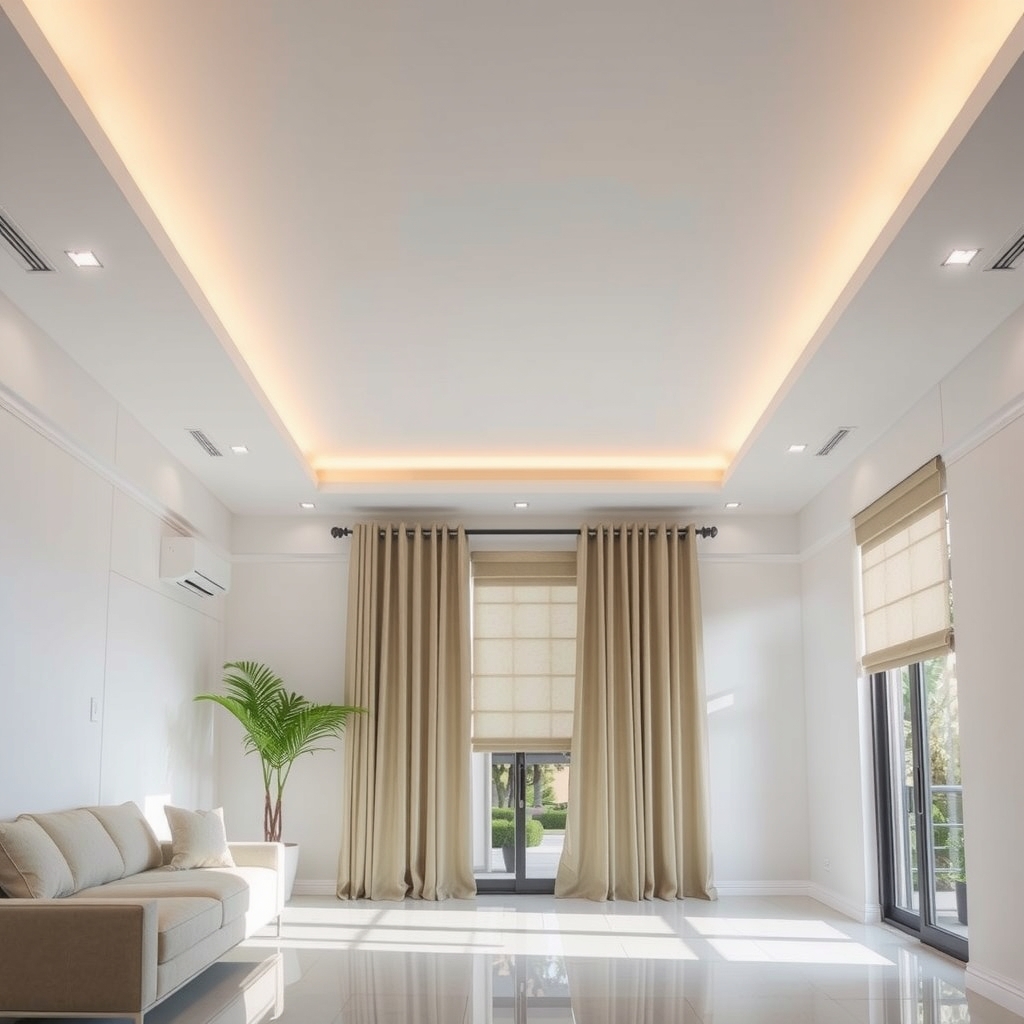
Quick answer: The best curtain fabrics for Qatar’s hot and sunny climate are durable, heat-resistant materials like polyester blackout, thermal-lined linen blends, and robust cotton fabrics, as they effectively reduce indoor heat, block harmful UV rays, and prevent sun damage. Using these fabrics helps maintain cooler interiors while ensuring your curtains last long under intense sunlight. Polyester blackout and thermal fabrics offer superior heat insulation and sun blocking Linen blends and cotton provide breathability but work best with thermal lining Thicker fabrics like velvet excel in reducing heat but cost more and suit bedrooms or living rooms Sheer curtains have limited heat protection and are ideal combined with opaque layers Custom curtains with appropriate fabric choice and lining maximize comfort and durability in Qatar What makes a curtain fabric suitable for Qatar’s hot climate? A suitable curtain fabric for Qatar must provide excellent heat insulation, block UV rays, and withstand intense sun exposure without fading or degrading. Qatar’s climate is marked by high heat and strong sunlight most of the year, especially in locations like Doha, Lusail, and Al Rayyan. Therefore, fabrics that minimize heat gain, reduce glare, and protect interiors from fading and damage are essential. Durability against sun exposure and easy maintenance under dusty, dry conditions is also crucial. Fabrics that are tightly woven or have thermal linings help trap heat and improve energy efficiency by reducing cooling loads on air conditioning systems. For a deeper understanding, you can visit the main curtain guide for Qatar that explains design and function considerations alongside fabric choices. For detailed inspiration and options explore our Curtain Design Doha guide covering styles and installation. Which curtain fabrics effectively reduce heat in Qatari homes? Polyester blackout and thermal-lined fabrics are the most effective at reducing heat in Qatar homes. Polyester blackout curtains are tightly woven and often coated with a reflective backing, blocking up to 99% of sunlight and heat. Thermal lining, added to fabrics like linen or cotton, creates an insulating barrier that stops heat transfer, keeping interiors cooler and reducing AC energy consumption. Velvet is another heavy fabric that insulates well but is less common due to higher cost and maintenance. Reducing heat with the right curtains not only improves comfort but protects furnishings from fading, prolongs AC lifespan, and lowers electricity bills. This makes blackout polyester with thermal lining a popular choice for living rooms and bedrooms in areas such as West Bay, The Pearl, or Al Wakrah. Are natural fabrics like cotton and linen good choices for curtains in Qatar? Cotton and linen fabrics are breathable and aesthetically pleasing but generally need additional thermal lining to be effective in Qatar’s heat. Natural fabrics allow some airflow and have a soft feel that suits many interior styles, including villa and apartment designs in Doha and Al Sadd. However, by themselves, they provide limited insulation and UV protection compared to synthetic fabrics. To enhance sun protection and durability, these fabrics are commonly combined with thermal lining. Such lining can be added by interior companies like Home Decor Qatar during curtain manufacturing or installation. If you prefer a natural look, choosing a high-quality blend with proper lining balances style and functionality in Qatar’s environment. How important is fabric thickness for curtains in Qatar? Thicker fabrics like velvet or lined polyester provide better heat insulation and UV blocking, making them highly suitable for Qatar. The thickness of curtain fabric directly affects how much sunlight and heat it can block. Heavier fabrics reduce glare, protect furniture and flooring from damage, and improve privacy and sound insulation, benefits valuable in villas and homes in areas like Al Duhail or Madinat Khalifa. Thicker materials typically last longer because they withstand strong daily sun exposure without fading or tearing. However, very thick curtains may require more robust fixing solutions and can slightly increase installation costs due to weight and complexity. Home Decor Qatar can advise on fixation methods that manage heavier curtains effectively, ensuring durability and perfect fit. Learn more about managing heavier fabrics and costs in our article on Fabric Weight and Fixing Techniques. Can sheer curtains work well in Qatar’s climate? Sheer curtains offer minimal heat and UV protection and should be paired with heavier or blackout curtains in Qatar. Sheer curtains are lightweight fabrics such as voile or lace that allow natural light while providing basic privacy. However, because they are translucent, they do not reduce heat gain or block UV rays effectively. Many homeowners use sheer curtains in combination with blackout or thermal curtains for a layered approach that lets in daylight while closing out heat and glare when needed. This layering suits offices and living rooms in Qatar, especially for fashionable homes in Lusail or Al Wakrah. How to balance durability, heat protection, and maintenance when choosing curtain fabrics in Qatar? Choosing curtain fabrics in Qatar requires balancing heat insulation, UV protection, durability, and ease of maintenance based on your home’s orientation, room use, and budget. Fabrics that block heat well often need special care or cost more upfront, while breathable fabrics require additional lining to perform well. For example, polyester blackout curtains deliver excellent sun blocking and durability against sun damage but can trap heat if not ventilated properly. Linen with thermal lining offers natural appeal and moderates heat while needing careful cleaning under dusty Qatar conditions. The trade-offs include: Durability vs natural texture: Synthetic fabrics like polyester resist fading better than cotton and linen. Heat insulation vs light transmission: Blackout fabrics keep rooms cool but block daylight, while sheer fabrics allow light but not heat protection. Maintenance: Heavier, lined curtains require occasional professional cleaning, while cotton or linen may stain but are washable. To decide, assess your window exposure (south/ west facing get more sun), desired daylight, room use (living area versus bedroom), and how much maintenance you can allow. Home Decor Qatar offers site visits to evaluate your space and recommend fabric options with maintenance tips and installation methods that maximize durability and comfort. Fabric Type Best For
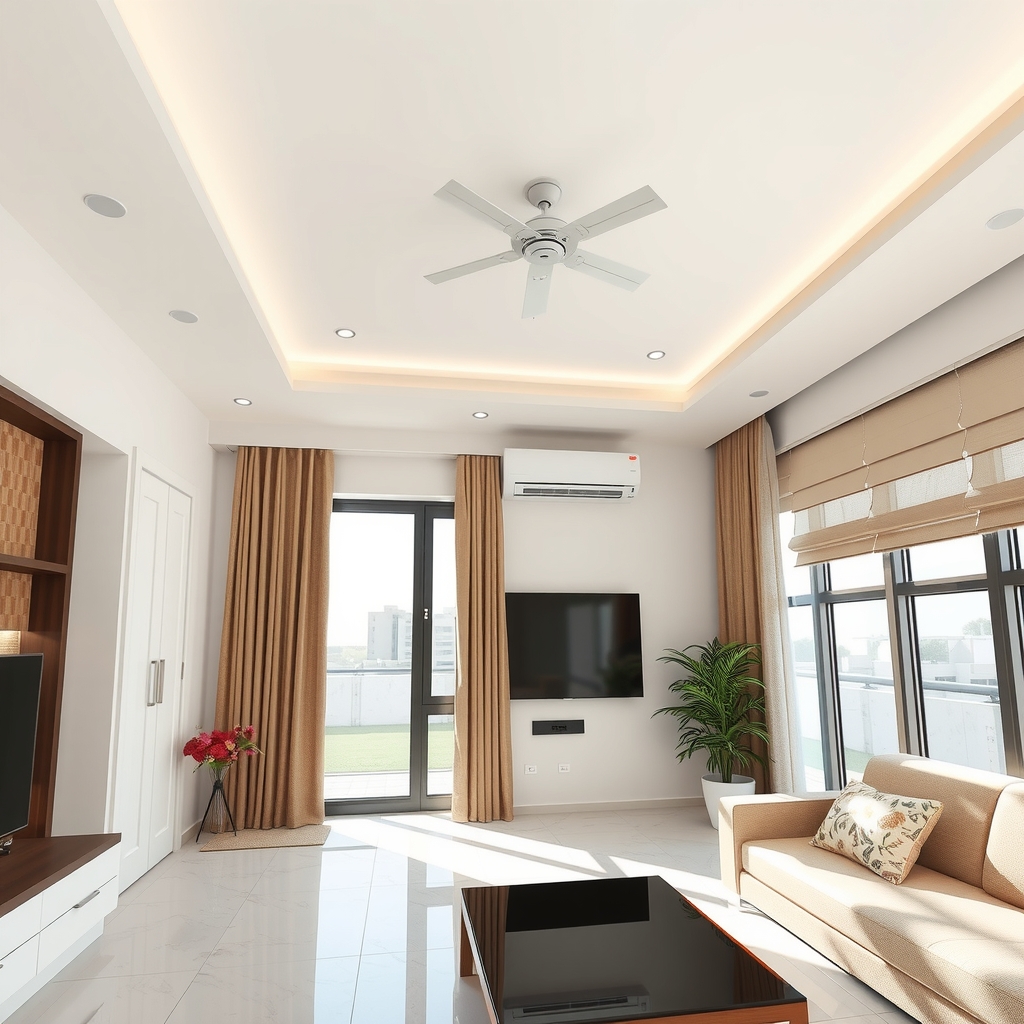
AC Gas Refilling Qatar: Safe, Efficient Cooling for Your Home or Office
Quick answer: AC gas refilling in Qatar involves safely detecting leaks, repairing them, and refilling your air conditioning system with the correct refrigerant gas like R22, R410A, or R32 to restore optimal cooling performance and efficiency. This service ensures your AC cools effectively and saves energy in hot climates like Doha, Lusail, and West Bay. Leak detection and repair are essential before gas refilling to avoid waste and system damage. The correct gas type and pressure depend on your AC model and use environment. Refilling frequency varies but checking for performance decline is crucial. Professional service ensures safe handling of refrigerants and system integrity. Home Decor Qatar offers expert AC service including gas refilling across Qatar. What is AC gas refilling and why does it matter in Qatar? AC gas refilling means replenishing the refrigerant gas inside your air conditioner to the proper level for effective cooling. In Qatar’s hot climate, running an AC without adequate refrigerant reduces cooling, raises electricity bills, and can damage the compressor. Because Qatar uses gases like R22, R410A, and R32, each with different environmental and technical characteristics, refilling with the correct type is critical for safety and performance. Proper refilling helps your AC run efficiently in homes, villas, and offices in Doha, Al Sadd, and surrounding areas. If you notice issues, search for trusted AC Repair Near Me Doha services. How do I know if my AC needs gas refilling? Low cooling output, longer running times, unusual noises, and ice formation on coils are common signs that your AC refrigerant level is low. If your AC in Lusail or West Bay struggles to maintain temperature, it’s time for a leak check and possibly a refrigerant top-up. The refrigerant does not get ‘used up’ but leaks through small holes or cracked components. Early detection and refilling prevent costly compressor damage and maintain comfort. For leak and repair services in your area explore reliable AC Repair Viva Bahriya providers. What steps are involved in professional AC gas refilling in Qatar? Professional AC gas refilling includes these key steps: first, certified technicians perform leak detection using electronic leak detectors or UV dye to locate leaks. Second, they repair or replace damaged parts like valves or pipes. Third, the AC system is evacuated to remove moisture or air. Finally, the correct gas type and amount, R22, R410A, or R32, is filled to manufacturer specifications. This method prevents system faults common with improper refilling. Which refrigerant gas type is right for my AC in Qatar? The choice among R22, R410A, and R32 depends on your AC unit model and efficiency needs. R22 is older, less environmentally friendly, and being phased out globally but still in use in Qatar’s older units. R410A is a common modern refrigerant with better performance and zero ozone depletion. R32 offers even higher energy efficiency but requires specialist handling. Home Decor Qatar experts can identify the appropriate gas based on your AC model and location such as Madinat Khalifa or Al Waab. How does local climate and building type affect AC gas refilling frequency? In Qatar’s dry, extremely hot climate, AC units in villas with large floor tiles in areas like Al Gharrafa or Al Duhail run longer and under more strain than those in smaller apartments. This increases refrigerant loss risk. Buildings with glass facades or poor insulation require more frequent checks. For example, a villa with SPC flooring from Home Decor Qatar in Umm Salal Mohammed will typically need gas refilling every 18 to 24 months, while a well-insulated apartment in The Pearl might last up to 3 years. Regular monitoring by professionals ensures refilling only when necessary, balancing cost and efficiency. What factors influence the cost of AC gas refilling in Qatar? Costs depend on AC unit size, refrigerant type, leak repairs needed, and access difficulty. Large central systems in West Bay or Al Wakrah require more gas and labor than split units in smaller homes. If technicians find leaks needing pipe or valve replacement, costs increase. Because refrigerant gases vary in price and handling complexity, an R32 refill often costs more than R22. At Home Decor Qatar, pricing is personalized after assessing site conditions, ensuring transparent quotes tailored to your villa or office. Is DIY AC gas refilling a safe and worthwhile option? DIY refilling is unsafe and not recommended in Qatar because refrigerants are hazardous, require certification to handle, and specialized pressure testing is needed to avoid system damage or leaks. Incorrect refilling can cause compressor failure or release harmful gases into the atmosphere. Professionals at Home Decor Qatar have the training, tools, and licenses to safely detect leaks, evacuate, and refill ACs according to local regulations and manufacturer standards. How does professional AC gas refilling impact energy efficiency and AC lifespan? Correct refrigerant levels improve cooling capacity, reduce compressor workload, and lower power consumption, which is crucial for air conditioning in Doha’s extreme heat. A balanced refrigerant charge prevents ice formation and mechanical strain, extending the AC’s operational life. Home Decor Qatar emphasizes regular maintenance along with gas refilling to sustain energy efficiency and keep systems in optimal condition across apartments, offices, and villas. What is the typical service area and availability for AC gas refilling in Qatar? Home Decor Qatar covers major areas including Doha, Al Sadd, Lusail, The Pearl, Al Rayyan, and Al Khor, providing fast and reliable AC gas refilling along with comprehensive AC servicing. Their technicians operate throughout the week with flexible appointment scheduling for homes or offices. Whether in the Doha Industrial Area, Muaither, or Ain Khaled, you can expect professional leak detection and refilling tailored to your location and AC type. Which maintenance practices reduce AC gas refilling frequency? Maintaining clean filters, ensuring proper insulation, sealing ducts, and scheduling regular professional AC servicing prolong refrigerant life by preventing leaks and system overwork. For residential users in Fereej Bin Mahmoud or Najma, pairing gas refilling with seasonal inspections keeps systems running efficiently. Home Decor Qatar’s AC Service Qatar package includes such periodic checks,
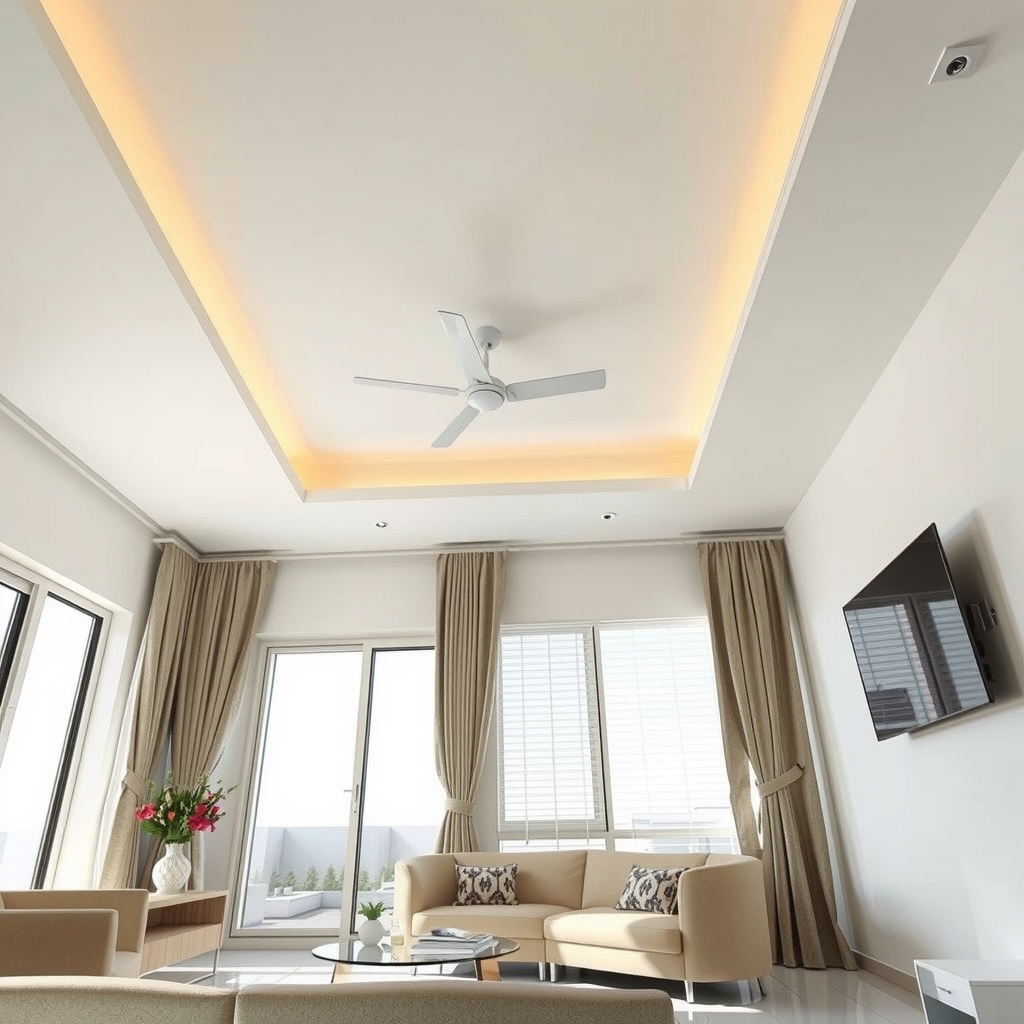
AC Repair Near Me Doha: Reliable, Fast, Affordable Cooling Services
Quick answer: If you need AC repair near me Doha, you want a fast, reliable, and professional service that can fix all common air conditioning types in your home or office, from split to central AC. Look for specialists who offer same-day repair, transparent pricing, and maintenance advice to keep your system efficient in Doha’s hot climate. Home Decor Qatar provides expert AC service across key districts like Al Sadd, Lusail, and West Bay, ensuring trustworthy and affordable repairs. AC repair near me Doha aims to fix all AC types quickly with expert technicians Pricing depends on fault severity, AC type, and parts needed; free site visits help clarify costs Same-day repairs are common for urgent issues like no cooling or water leaks Regular maintenance prevents breakdowns; servicing split and central AC is vital in Doha’s heat Home Decor Qatar combines AC repair with interior services for convenient home improvement What types of AC systems are repaired by services near me in Doha? Services called “AC repair near me Doha” typically cover all major air conditioner types including split AC, window AC, central AC systems, ducted AC, and cassette units for homes, villas, apartments, and offices. Split ACs, the most common in Doha residences like in Al Hilal or Mansoura, can have compressor or refrigerant issues. Window AC units often require cleaning or component replacement. Central AC and ducted systems, common in luxury villas or offices in areas such as Al Wakrah or The Pearl, need specialized technicians for fan and duct work. Reliable repair services use certified tools and genuine parts to ensure any AC type regains optimal cooling performance quickly. For specialized services in this area, see our detailed page on AC Repair Al Hilal Doha. For comprehensive AC repair, you may also want simultaneous access to local interior services, as Home Decor Qatar provides, to coordinate cooling system installations with gypsum ceiling work or room painting, giving your space a full refresh. Learn more about coordinated repair and installation with our professional AC service in Qatar. How much does AC repair cost in Doha and what affects the price? AC repair costs in Doha vary widely depending on the problem’s severity, AC type, and parts needed. Replacing a refrigerant gas or cleaning filters has a lower cost than compressor or electrical repairs, which require more labor and parts. The size of the AC and access complexity also influence pricing, such as central AC repairs in villas in West Bay or multi-unit systems in offices. Home Decor Qatar does not charge arbitrary rates but offers free site visits to assess and explain the work, helping you understand pricing transparently. This prevents surprises and lets you decide if you want added interior services like painting in Doha or SPC flooring upgrades during the repair process. How quickly can AC repair near me Doha teams respond and fix my unit? The fastest AC repair near me Doha providers offer same-day response sources for urgent breakdowns, especially in the summer. Simple repairs such as cleaning coils, refilling refrigerant, or fixing leaks typically take a few hours, while complex compressor or electrical work may require a full day due to careful diagnostics and safety checks. For example, split AC repairs in dense areas like Al Duhail or Muaither are often done within a working day, minimizing discomfort in the hot weather. For quick and effective cooling restoration, explore our professional AC gas refilling services in Qatar to ensure your system runs safely and efficiently. Emergency repair should be sought immediately if your AC stops cooling entirely or water leakage risks damaging ceilings or floors, such as gypsum ceilings installed professionally by Home Decor Qatar. Coordinating repair with other home upgrades can also be arranged to save time during technician visits. Is professional AC maintenance important alongside repairs in Doha’s climate? Yes, regular professional AC maintenance is crucial in Doha’s extreme heat and dust conditions to prevent costly future repairs. Maintenance includes cleaning filters, coils, and ducts, checking refrigerants, and inspecting electrical components. Homeowners in Al Rayyan and apartment dwellers in The Pearl benefit greatly from yearly maintenance to extend system life and reduce energy costs. Neglected AC units often fail when temperatures rise, making repairs urgent and more expensive. Book routine upkeep alongside any repair to protect your investment. Home Decor Qatar’s combined service options allow you to handle interiors like interior decoration alongside cooling upkeep for a seamless home improvement experience. What are the hidden costs and trade-offs when choosing an AC repair service in Doha? Hidden costs when selecting an AC repair service in Doha include emergency call-out fees, parts compatibility problems, and possible interior damage repair like gypsum ceiling staining from leaks. Some services may only address the visible fault without diagnosing related issues such as duct leaks affecting efficiency. A trade-off is choosing between fast, same-day repair at a higher cost or scheduled service with thorough diagnostics. Some providers may not handle complex central AC systems requiring multiple visits. Additionally, repairs done without checking interior finish conditions can leave lasting damage, costing more in repainting or ceiling restoration. You benefit from a team like Home Decor Qatar that integrates AC repair with careful consideration of interior finishes like gypsum board ceilings in Doha or wall paint, avoiding unexpected collateral costs. Their free site visit identifies needed repairs, costs, and any related interior work, helping you plan with clear budgeting. What are the most common AC problems that repair specialists fix in Doha? The most frequent AC repair issues in Doha’s homes and offices are refrigerant leaks, compressor failure, electrical problems, water leakage, dirty filters, and blower fan malfunctions. Split ACs in apartments often require refrigerant refills or sensor repairs. Window units might need fan motor replacement. Central AC systems can develop duct leakage or thermostat faults. Repair experts verify the root cause and fix it to restore full cooling. Tackling these common issues promptly prevents damage to other home features such as sealed gypsum ceilings, avoiding costly
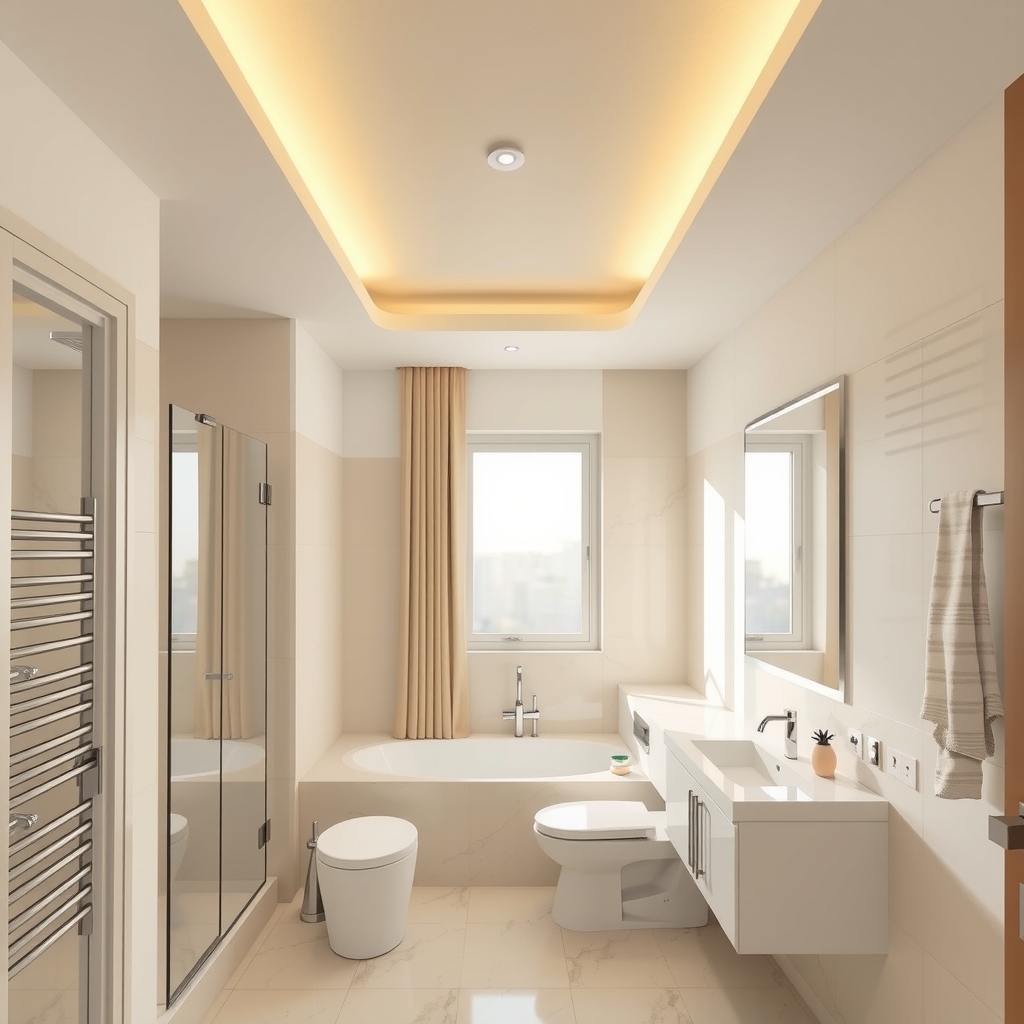
Bathroom Renovation Doha: Complete Guide to Costs, Materials & Services in 2026
Quick answer: A bathroom renovation in Doha involves redesigning, waterproofing, tiling, plumbing, and installing fixtures, typically lasting 2–3 weeks and costing from 4,000 QAR upwards depending on scope and materials. For quality and tailored service, Home Decor Qatar offers free site visits, helping you understand options, timelines, and costs clearly. Bathroom renovation costs vary based on size, design, and materials chosen. Proper waterproofing and durable materials like SPC flooring and gypsum boards are essential for Doha’s climate. Renovation time usually ranges from 2 to 3 weeks. Comprehensive services include plumbing, tiling, painting, and interior decoration. Home Decor Qatar provides expert local renovations with custom quotes and free site consultations. What is included in a bathroom renovation in Doha? A bathroom renovation in Doha typically includes demolition of old fixtures, waterproofing, plumbing upgrades, tiling, painting, and installation of new bathroom fixtures like vanities and showers. The process also encompasses electrical work, ceiling adjustments with gypsum boards, and interior decor elements such as wallpaper and blinds. This comprehensive approach ensures the bathroom is fully functional, moisture-resistant, and aesthetically pleasing. For example, gypsum ceiling partitions add elegance while concealing electricals. Waterproofing is critical to prevent mold in Doha’s humid environment, and SPC flooring offers durable, water-resistant surfaces compared to conventional tiles. These details contribute both to comfort and long-term value. Choosing a local expert like Home Decor Qatar helps you coordinate all these services seamlessly, from gypsum ceilings to floor tiles and AC servicing, giving you a one-stop solution for your bathroom renovation. How much does a bathroom renovation cost in Doha in 2026? The cost of bathroom renovation in Doha starts from approximately 4,000 QAR for basic upgrades and can exceed 30,000 QAR for luxury or extensive remodeling involving plumbing and electrical reshaping. The final price depends on several factors: Bathroom size and layout complexity Material choices such as premium waterproof tiles or SPC flooring Level of plumbing and waterproofing work required Design complexity including gypsum ceiling and wall partitions Inclusion of interior decoration elements like painting and wallpaper Material and installation prices from Home Decor Qatar provide a practical example: gypsum board ceilings with fixing start from 40 QAR per square metre and SPC flooring, including materials and installation, starts from 130 QAR per square metre. Wallpaper installation costs from 30 QAR per square metre. These starting rates help you estimate renovation budgets more accurately. Contacting service providers for a free site visit allows precise quotations based on your bathroom’s actual conditions. What materials suit bathroom renovations best in Doha’s climate? In Doha’s hot and humid climate, bathroom renovation materials need to prioritize moisture resistance and durability. SPC (Stone Plastic Composite) flooring is a durable, waterproof option that resists warping better than natural wood or vinyl. Waterproof tiles, specifically ceramic or porcelain, offer excellent moisture resistance for walls and floors. Gypsum boards are commonly used for ceilings and partitions inside bathrooms because they provide a smooth finish and can be treated to resist humidity. Waterproofing membranes applied under tiles prevent seepage and mold growth, essential for Doha’s weather conditions. Painting services often use moisture-resistant paints designed for bathrooms. For walls, selecting wallpapers with vinyl finishes can resist humidity while enhancing the aesthetic. Home Decor Qatar handles these materials and installations professionally, ensuring they work well in local environments like Lusail, Al Sadd, and West Bay. How long does a typical bathroom renovation take in Doha? A bathroom renovation in Doha usually takes between 2 to 3 weeks from start to finish. This timeframe covers demolition, waterproofing, tiling, fixture installation, and finishing work such as painting and interior decoration. The duration depends on the scale of the project, availability of materials, and any plumbing or electrical changes. Small apartment bathrooms with straightforward layouts may complete in around 10 to 14 days, while larger villa bathrooms with custom gypsum ceilings, complex plumbing, or luxury tiles may take longer. Coordination with suppliers and contractors impacts timelines significantly. Efficient project management by local contractors like Home Decor Qatar can minimize disruptions and ensure timely delivery without compromising quality. Can bathroom renovation services in Doha include waterproofing and plumbing upgrades? Yes, professional bathroom renovation contractors in Doha include waterproofing and plumbing upgrades as standard parts of the service. Waterproofing is applied to walls, floors, and sometimes ceilings to protect against moisture penetration and mold, which are common issues in humid environments. Plumbing upgrades may involve replacing old pipes, improving water flow, or installing modern fixtures such as rain showers and water-saving taps. Full electrical checks usually accompany plumbing work to ensure safety and compliance with local standards. Choosing a team like Home Decor Qatar ensures these critical steps are integrated with tiling, painting, and interior design for a seamless renovation experience. What are the common mistakes to avoid in bathroom renovation in Doha? Skipping waterproofing or using substandard waterproofing materials, leading to water damage. Choosing flooring not suitable for humid conditions, such as untreated hardwood. Failing to consider ventilation, which is key in preventing mold and odors. Underestimating project timelines, causing unnecessary stress and disruption. Ignoring the importance of coordinating electrical and plumbing inspections with renovation. Not planning for quality interior finishing like gypsum ceiling works and proper painting to protect surfaces. Avoiding these mistakes by using reputable services like Home Decor Qatar helps ensure your renovation is durable, attractive, and problem-free. How to decide on the right bathroom renovation style and materials for your home in Doha? Selecting the right style and materials depends on your space, budget, and lifestyle needs. For example, smaller apartment bathrooms in areas like Al Wakrah or Al Duhail benefit from minimalistic designs with light-colored waterproof tiles and space-saving fixtures. Villa bathrooms in Lusail or The Pearl allow for luxurious features like gypsum ceiling partitions, SPC flooring for extra durability, and decorative wallpapers that resist humidity. Consider your family size, maintenance ability, and aesthetic preferences. If you prioritize longevity and low maintenance, SPC flooring and ceramic tiles paired with moisture-resistant paints are wise choices. Interior decoration options such as
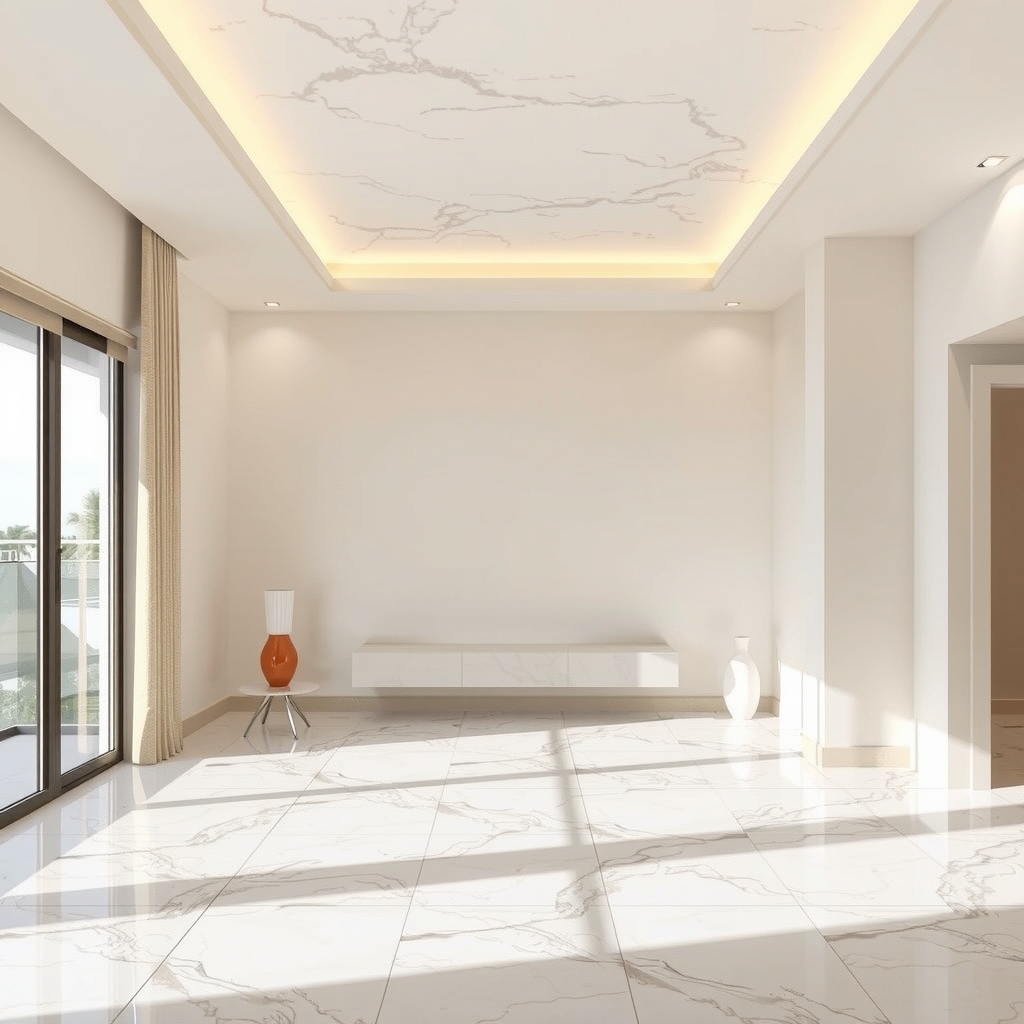
Complete Guide to Marble Flooring in Qatar: Selection, Installation & Care
Quick answer: Marble flooring in Qatar is a popular choice for homes, villas, and offices due to its elegant appearance and natural cooling properties. The best marble types here include Crema Marfil, Carrara, and Emperador, which suit the local climate when properly installed and maintained. Costs vary depending on marble quality, area size, complexity, and installation needs. Home Decor Qatar offers expert marble flooring services including a free site visit to guide you through materials, installation, and care. Marble types like Crema Marfil, Carrara, and Emperador best suit Qatar’s interiors. Installation costs depend on job size, material choice, surface preparation, and design. Regular sealing and using pH-neutral cleaners keep marble floors pristine in Qatar’s climate. Marble flooring works well in both residential and commercial settings in Qatar. Home Decor Qatar provides expert marble flooring solutions with a free consultation. What is marble flooring and why is it popular in Qatar? Marble flooring consists of natural stone slabs or tiles cut from marble rock, prized for its beauty, distinctive veining, and cool surface. In Qatar, marble flooring is popular because it adds luxurious style to homes, villas, and offices, and its cool feel is comfortable in the hot Gulf climate. This elegance combined with durability makes marble a frequent choice for high-end interiors around Doha, Lusail, West Bay, and Al Sadd. Complement your marble flooring with elegant wall designs seen in our Qatar wallpaper collection. Being a natural material, marble also requires appropriate installation and maintenance to ensure longevity. Home Decor Qatar expertly manages the full process, from selecting the right marble type to proper sealing and finishing, ensuring that marble flooring resists the effects of Qatar’s environment while looking impeccable for years. Which types of marble flooring are best for Qatar homes and offices? The best marble types for flooring in Qatar are Crema Marfil, Carrara, and Emperador because they combine durability, aesthetic appeal, and suitability to the local environment. Crema Marfil offers a warm beige tone, Carrara is known for its classic white with grey veins, and Emperador features darker brown shades with intricate patterns. Each type has its own advantages: Crema Marfil works well in traditional and contemporary homes, Carrara fits modern minimalist spaces, and Emperador suits more dramatic, formal areas like offices or luxury villas in The Pearl or Al Duhail. Choosing the right marble involves understanding the usage area – high-traffic offices might require thicker slabs or honed finishes to minimize wear, while residential living rooms in Lusail and Al Wakrah can showcase polished marble for shine. How much does marble flooring cost in Qatar and what affects pricing? Marble flooring cost in Qatar depends on multiple factors including marble type, quality of slabs or tiles, area size, installation complexity, surface preparation, and additional design elements such as borders or custom inlays. Unlike standard offerings like gypsum board ceilings from 40 QAR per square metre or SPC flooring from 130 QAR per square metre, marble is premium and pricing varies more widely. Costs increase with imported high-grade marble, difficult site access, and intricate cutting or polishing work. Home Decor Qatar offers personalized assessments with a free site visit to estimate costs accurately and explain what influences pricing for your villa or office project. What are the steps involved in marble flooring installation in Qatar? Marble flooring installation involves precise preparation steps: first the base must be leveled and cleaned thoroughly, usually a concrete screed or cementitious base. Then, marble slabs or tiles are laid with high-quality adhesives or mortar. Grouting follows the setting period, and finally, sealing protects the stone from stains and etching. Installation in Qatar’s varied settings – from villas in Al Rayyan to offices in Doha Industrial Area – requires attention to humidity control and temperature during setting to ensure marble durability. Home Decor Qatar’s team specializes in flawless installation, ensuring proper sealing and alignment for maximum lifespan and appeal. How should you maintain marble flooring in Qatar’s climate? Maintaining marble flooring in Qatar requires regular cleaning with pH-neutral detergents and avoiding acidic or abrasive cleaners that can cause surface damage. Marble should be sealed every 1-2 years to create a protective layer against stains from drinks or oils common in household kitchens or office pantries. The dry, hot climate can accelerate wear if not properly cared for, especially in busy areas like foyers or commercial offices in West Bay or Al Hilal. Using soft mop heads and placing mats in high-traffic zones helps prevent scratching. Home Decor Qatar offers maintenance advice and periodic sealing services for marble to help you keep floors in pristine condition. Can marble flooring be used in commercial spaces and offices in Qatar? Yes, marble flooring is a suitable choice for commercial and office spaces in Qatar due to its elegance and durability. However, thicker slabs and honed finishes reduce slipping and wear under heavy foot traffic. Offices in Lusail, The Pearl, and West Bay often choose marble to convey luxury and professionalism. For areas with intense use, combining marble with other durable materials or protective rugs can extend floor lifespan. Proper installation by experienced teams like Home Decor Qatar also ensures performance over time. What design options are available for marble flooring in Qatar homes? Design options for marble flooring in Qatar include large polished slabs for a seamless look, smaller tiles for geometric patterns, or mosaics with water-jet inlays to create artistic effects. Borders and contrasting marble colors can define rooms or highlight architectural features in villas around Al Wakrah or Muaither. Different finishes (polished, honed, tumbled) affect the surface’s shine and texture, influencing both appearance and safety. Discuss your aesthetic and practical preferences with interior professionals like those at Home Decor Qatar to find designs that fit your home decor style. What are common mistakes to avoid with marble flooring projects in Qatar? Choosing low-grade marble that chips or stains easily under Qatar’s climate heat and dust. Skipping professional surface preparation causing uneven floors and poor adhesion. Ignoring sealing needs, leading to etching from
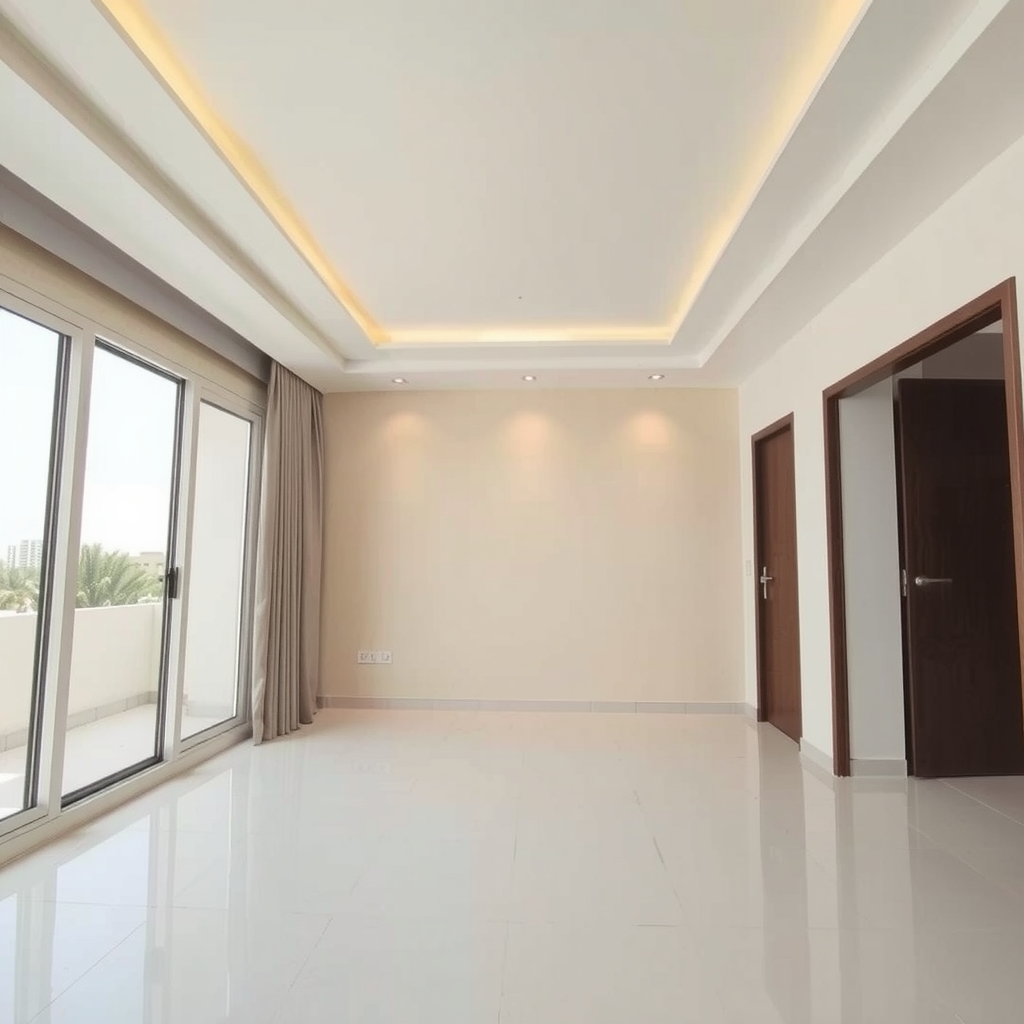
Step-by-Step Guide to Preparing Your Floor for SPC Flooring Installation in Al Sadd
Quick answer: To prepare your floor for SPC flooring installation in Al Sadd, you must remove any existing floor coverings, thoroughly clean the subfloor, ensure it is completely dry, and use leveling methods to achieve a flat surface within 3 millimeters over a 2-meter span. This precise preparation guarantees a durable, smooth SPC flooring installation that resists damage and looks flawless. Remove all existing floor materials and debris. Ensure the subfloor is dry and structurally sound. Level uneven areas with a quality self-leveling compound. Eliminate adhesive residue and surface imperfections. Use a moisture barrier if installing over concrete to prevent damage. Proper floor preparation is essential for lasting SPC flooring, as detailed by Home Decor Qatar’s experienced installation team. For an overview of SPC flooring benefits and styles, see SPC Flooring in Al Sadd | Durable, Stylish Floors with Professional Installation. What is the ideal subfloor condition for SPC flooring installation in Al Sadd? The ideal subfloor for SPC flooring in Al Sadd is clean, dry, and level with minimal imperfections. SPC (Stone Plastic Composite) flooring requires a flat surface for proper locking and to prevent plank movement. Suitable subfloors include concrete, cement screed, plywood, or chipboard that are structurally sound. The subfloor must be free from moisture issues and contaminants like grease or old adhesives, which can interfere with plank adherence and cause damage over time. Clean the surface meticulously by sweeping, vacuuming, and using a degreaser if necessary. A moisture barrier is often recommended over concrete slabs in Al Sadd due to Qatar’s humidity and occasional dampness, especially in older buildings. Precise leveling to 3 mm tolerance across 2 meters is standard to avoid gaps or squeaks. Competent professionals from Home Decor Qatar use moisture meters and leveling tools to guarantee these standards. Correct subfloor preparation lays the foundation for a flawless installation and extends your floor’s life significantly. For detailed price information, see our SPC flooring cost in Al Sadd guide. How do I remove old flooring and adhesive residues before installing SPC flooring? Removing old flooring and adhesive residues prevents unevenness and bonding problems during SPC flooring installation. Start by stripping away carpet, tiles, vinyl, or laminate flooring carefully. Use scraping tools or power floor scrapers to remove glued materials. If adhesives remain stuck to the subfloor, apply commercial adhesive removers designed for cement or wood surfaces, following safety guidelines. Any sticky residue must be eliminated completely as it can compromise the click-lock system of SPC planks and cause uneven surfaces. In Al Sadd buildings, tile and vinyl floors are common, so expect to spend time on thorough removal. Sometimes chemical strippers and light sanding may be necessary, but excessive sanding risks subfloor damage. Rely on hands-on expertise or hire professionals like Home Decor Qatar to avoid subfloor harm while achieving a perfectly clean base. Proper subfloor cleaning also benefits from home painting preparation tips in Al Sadd. Why is leveling the floor important, and how do I do it for SPC flooring? Leveling the floor ensures a smooth, stable surface, preventing SPC planks from shifting or cracking under pressure. Uneven surfaces cause click-lock joints to misalign and can damage the SPC floor structure over time. Use a self-leveling compound for concrete or cement subfloors with dips or hollows exceeding 3 mm over 2 meters. Mix the compound following manufacturer instructions and pour it onto the subfloor, spreading evenly with a trowel or squeegee. For wooden subfloors like plywood, fill gaps with floor patching compounds and sand roughness after drying. In Qatar’s climate, allowing sufficient drying time of 24 to 48 hours is essential due to humidity variations in Al Sadd. Ensure any leveling material chosen is compatible with SPC flooring. This meticulous preparation reduces installation errors and supports the floor’s durability. Home Decor Qatar’s team uses laser levels and moisture meters to verify surface readiness, guaranteeing precise results. How do I check and manage moisture levels before SPC flooring installation? Checking and managing moisture levels prevents swelling and warping of SPC flooring, especially important in Al Sadd’s humid environment. SPC floors resist moisture but require a dry subfloor to perform optimally. Concrete slabs may emit moisture vapor that damages flooring and adhesive if untreated. Professionals measure subfloor moisture with electronic hygrometers. When moisture exceeds permissible limits, usually a moisture content below 2.0% for concrete, install a moisture barrier, such as a polyethylene sheet or liquid moisture membrane. These barriers stop vapor transfer from beneath floors in humid places like Al Sadd. For wooden floors, check for rot or excessive dampness that requires repair before SPC installation. This moisture management step extends floor lifespan and reduces maintenance costs. Consult Home Decor Qatar experts who provide onsite testing and professional moisture control solutions to protect your investment. For related moisture considerations, see our surface preparation for tile installation guide. What tools and materials are essential for preparing a floor for SPC installation? Essential tools include a vacuum, scraper, leveling compound, trowels, moisture meter, and cleaning supplies for subfloor preparation. Vacuum or broom removes dust and debris. A floor scraper helps strip old flooring and adhesive. Self-leveling compound and floor patch fill unevenness. Use a long straightedge or laser level to measure flatness. Moisture meters assess water content in concrete or wood. Degreasers clean contaminants. Safety gear, gloves, goggles, masks, protect during scraping and chemical use. For adhesive residue removal, commercial removers and putty knives help. A shop vacuum reduces dust after sanding or scraping. Home Decor Qatar technicians bring professional-grade tools ensuring exact floor prep, avoiding common DIY pitfalls. Using the right tools improves preparation efficiency, ensures subfloor quality, and leads to a seamless SPC flooring finish. When is it necessary to install a moisture barrier beneath SPC flooring? A moisture barrier is necessary when subfloor moisture exceeds recommended levels, especially on concrete floors in humid Al Sadd areas. Concrete subfloors often have residual moisture due to Qatar’s environment, vapor seeping from the ground, or construction methods used. A polyethylene sheet or specialized liquid moisture barrier
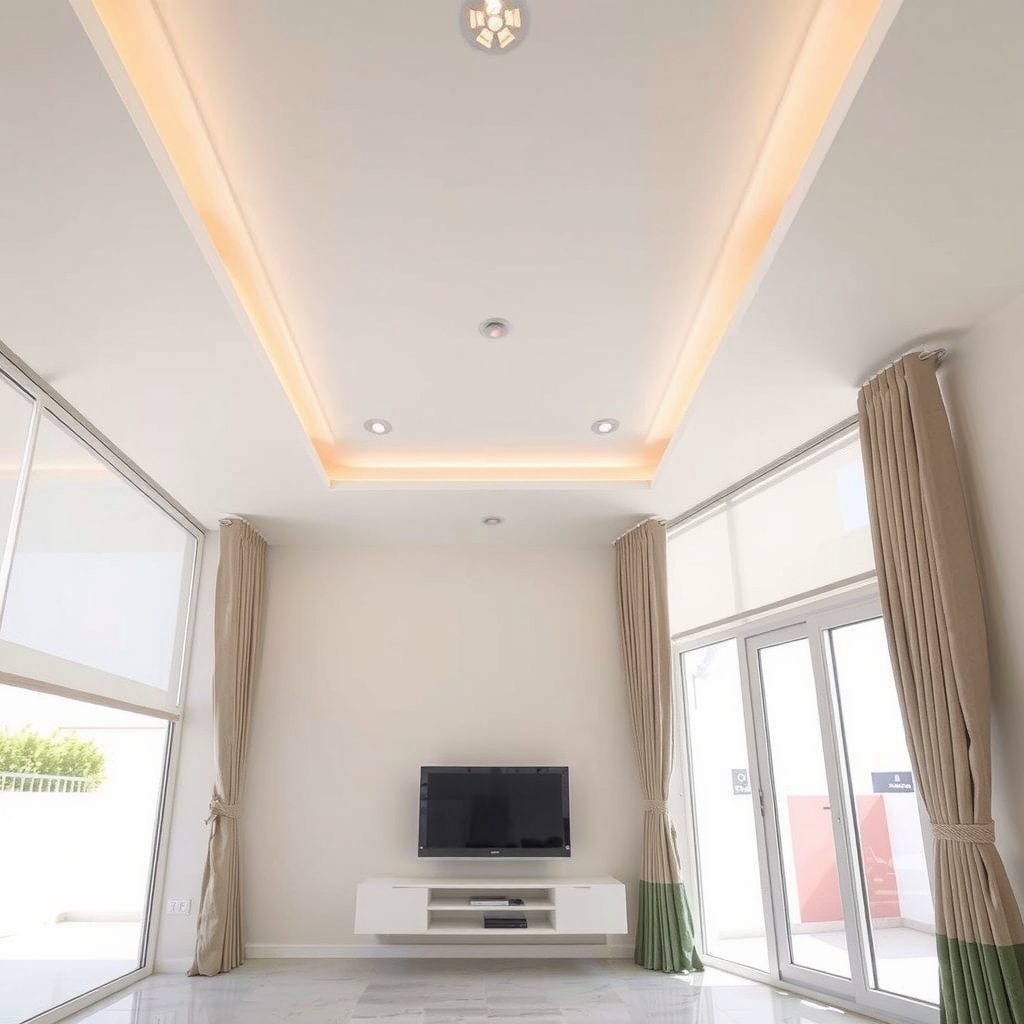
Ceramic Tiles Doha: Your Complete Guide to Selection, Installation & Costs
Quick answer: Ceramic tiles in Doha are a popular choice for home and office interiors due to their durability, ease of maintenance, and aesthetic variety. Selecting the right ceramic tile depends on the location, use, and climatic considerations specific to Doha, such as resistance to heat and humidity. Installation costs vary depending on tile size, material quality, and surface preparation, so consulting trusted local specialists like Home Decor Qatar ensures a suitable tile choice, precise fitting, and transparent pricing. Ceramic tiles suit indoor areas like kitchens, bathrooms, and living rooms in Doha. Porcelain tiles, a subtype of ceramic, provide better durability for outdoor or high-moisture zones. Installation costs depend on surface complexity, tile size, and adhesive quality. Proper grout and cleaning maintenance prolong tile life in humid Doha conditions. Home Decor Qatar offers comprehensive tile selection and installation services tailored to Qatari homes and offices. What types of ceramic tiles are commonly used in Doha homes and offices? The primary types of ceramic tiles used in Doha are glazed ceramic, unglazed ceramic, and porcelain tiles, each suitable for different applications. Glazed ceramic tiles have a smooth surface finish, making them ideal for walls and low-traffic areas because of their vibrant colors and water resistance. Unglazed ceramic tiles are more porous and best suited for decorative wall elements or low-moisture indoor areas. Porcelain tiles, a dense type of ceramic tile, are highly durable and moisture-resistant, fitting for high-traffic floors and even some outdoor spaces in Qatar. Doha’s climate, characterized by high temperatures and humidity, necessitates tiles with low water absorption and robust abrasion resistance, so porcelain tiles are often recommended for bathrooms, kitchens, and commercial setups. Additionally, ceramic tiles come in various sizes and finishes, such as matte, glossy, and textured, allowing you to tailor your choice to the interior design and functional needs of your space. For further advice on tile material selection relevant to your home or office, you can consult Home Decor Qatar’s specialist team, who guide you through durable and stylish ceramic and porcelain options in areas like Lusail and Al Sadd. For a hands-on look at different tile designs, explore their tiles design collection. How much does ceramic tile installation cost in Doha? The cost of ceramic tile installation in Doha depends on several factors including tile type, surface preparation, project size, and additional services like cutting or underlayment. While gypsum board ceiling fixing starts from 40 QAR per square metre, ceramic tile installation generally commands a slightly higher rate due to the skill, adhesive materials, and grout involved. Detailed quotes require on-site assessment because labor intensity and surface condition greatly affect costs. For example, installing ceramic tiles in a 20-square-metre kitchen with standard surface preparation and materials might cost considerably more than a simple wall tile refit on a flat surface. Home Decor Qatar offers free site visits anywhere in Doha, Al Rayyan, or The Pearl to provide transparent cost breakdowns tailored to your property and project scope. Accurate budgeting includes considering additional expenses such as tile adhesive quality, grouting products, and any special finishes like anti-slip coatings. You can find more information on installation-related factors in their comprehensive tile installation cost guide. Are ceramic tiles suitable for outdoor use in Qatar’s climate? Ceramic tiles require careful selection for outdoor use in Qatar due to exposure to intense heat, sun, and occasional rain. Standard ceramic tiles can crack or fade when exposed directly to weather elements. Instead, porcelain tiles, with lower porosity and higher density, are more suitable for outdoor patios, balconies, and terraces across Doha, Al Wakrah, and Al Khor. Also, outdoor ceramic or porcelain tiles in Doha should have a high slip resistance rating to prevent accidents during wet conditions. Textured finishes or anti-slip coatings are advised for stairs or around pools. Homeowners often overlook the need for UV-resistant glazes on tiles, which help maintain color integrity over time. Selecting the proper outdoor tile type plays a significant role in long-term durability and safety, so Home Decor Qatar can guide you through choosing and professionally fixing the best tiles for your outdoor spaces. For outdoor-specific advice, see their page on best tile types for outdoor spaces. How does ceramic tile maintenance work in humid Doha environments? Ceramic tile maintenance in Doha must address the local humidity and occasional dust storms. Frequent cleaning with mild, non-abrasive detergents prevents buildup of grime and preserves tile gloss. Grout lines, especially in wet areas like kitchens and bathrooms, should be sealed to prevent water infiltration and staining commonly caused by Doha’s humid conditions. Neglecting grout upkeep leads to mold or mildew, which is a frequent complaint in coastal areas such as The Pearl and West Bay. Home owners also benefit from periodic resealing of tiles and grout every 1-2 years to maintain water resistance. Using microfiber mops and avoiding harsh chemicals extends tile life without damaging surface finish. Regular maintenance advice is part of the service Home Decor Qatar provides, alongside their specialties in painting and wallpaper, ensuring holistic interior care. Learn about integrating tile care with other interior services like painting services in Doha for a complete home makeover. What hidden costs and trade-offs should be considered when choosing ceramic tiles in Doha? Beyond basic tile and installation costs, hidden costs include surface preparation, removal of old flooring, and leveling uneven substrates common in older Doha apartments and villas. These can significantly increase the total expense. Another trade-off is between tile size and installation complexity; large-format tiles reduce grout lines but require higher precision in leveling and alignment, raising installation difficulty and labor costs. Additionally, the trade-off between aesthetics and durability is crucial. For instance, highly decorative glazed ceramic tiles are visually appealing but can scratch or wear faster under heavy foot traffic compared to tougher porcelain tiles. Maintenance frequency and product lifespan are often overlooked factors impacting long-term costs. For example, bathrooms in coastal areas like Al Wakrah require both low-porosity tiles and mold-resistant grout, increasing upfront costs but reducing costly repairs later. Home
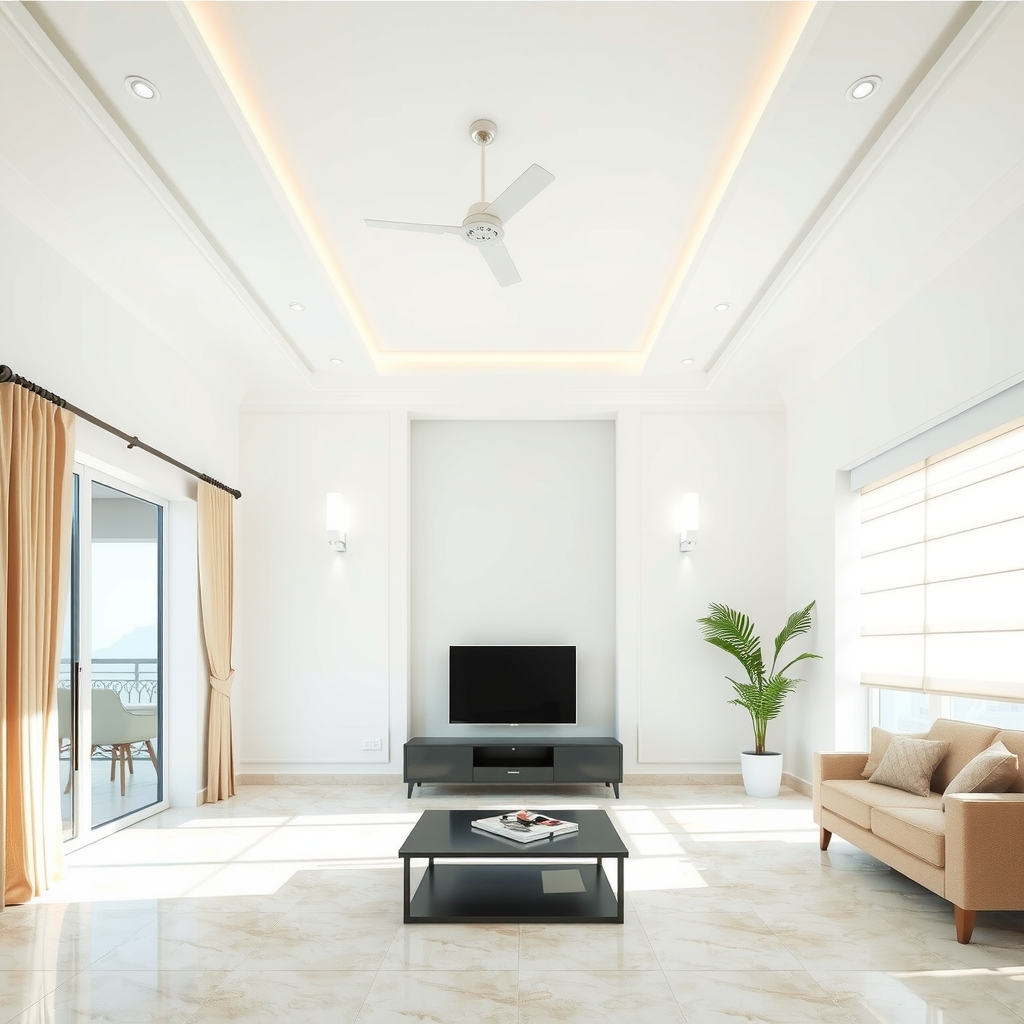
Best Tiles Shop Qatar: Where and How to Choose Quality Tiles for Your Home or Office
Quick answer: A tiles shop in Qatar offers a variety of ceramic, porcelain, and marble tiles ideal for homes and offices in Doha, Al Sadd, Lusail, and surrounding areas. Choosing the right shop depends on your style preferences, budget, and installation services. Home Decor Qatar is a reliable team that provides quality tile materials coupled with professional installation to ensure lasting results. For a wide range of floor tiles and expert help, inquire about materials, sizes, finishes, and prices to match your specific project needs. Tiles shops in Qatar mainly stock ceramic, porcelain, and marble tiles suitable for different areas and uses. Tile prices depend on size, material, finish, and installation complexity, varying greatly by project. Porcelain tiles are best for heat resistance and durability in Qatar’s climate, while ceramic tiles suit moderate traffic areas. Professional installation and surface preparation avoid common problems like uneven tiles and premature damage. Home Decor Qatar offers full tile supply and expert installation services covering major Qatari districts. What types of tiles are commonly available in tiles shops in Qatar? The most common tiles found in tiles shops in Qatar are ceramic, porcelain, and marble tiles, catering to both floor and wall applications. Ceramic tiles are widely used due to their affordability and variety of colors and designs, ideal for kitchens and bathrooms. Porcelain tiles offer higher durability and water resistance making them popular for living rooms and offices, especially given Qatar’s hot climate where heat resistance is important. Marble tiles are chosen for luxury and aesthetics, often installed in villas, office reception areas, and showrooms. Other specialty tiles include mosaic tiles for decorative walls and textured tiles for outdoor areas. Understanding the tile type best suited to each space ensures longevity and style compatibility. Explore our floor tiles design guide for ideas on using these materials effectively in Qatar homes and offices. Where are the best tiles shops located in Qatar? The best tiles shops in Qatar are concentrated in commercial hubs like Doha, Al Sadd, Lusail, and Al Rayyan, with some specialized stores available in The Pearl and West Bay. Doha Industrial Area and Old Airport Road host several suppliers offering an extensive variety of ceramic and porcelain tiles. Al Sadd and Lusail also feature shops that combine tile supply with installation services, allowing you to coordinate your project efficiently. For luxury marble tiles, districts like The Pearl and West Bay have premium showrooms to cater to upscale homes and offices. Many shops provide consultation, advising on tile selection based on room, traffic, and climate considerations. To support your renovation, consider contacting Home Decor Qatar, which serves all major regions including Madinat Khalifa and Al Wakrah with supply and expert installation. How do tile materials influence price and suitability for Qatari homes? Tile material significantly affects both cost and performance in Qatari homes and offices, with porcelain generally priced higher than ceramic but offering better durability. Ceramic tiles start at a lower price point but require careful placement due to moderate hardness and water absorption. Porcelain tiles, though more expensive, resist heat, stains, and wear better, making them ideal for high-traffic areas and outdoor patios. Marble tiles command the highest price due to natural stone sourcing and cut complexity but add considerable luxury. Pricing varies also by tile size and finish; larger formats (like 60×60 cm) often reduce grout lines and look modern but may cost more in installation. Home Decor Qatar offers tile installation from 130 QAR per square metre including materials, with prices influenced by tile type and area complexity. How does Qatar’s climate affect tile choice and installation? Qatar’s hot and arid desert climate demands tiles that can withstand high temperatures and avoid moisture damage often caused by condensation in air-conditioned spaces. Porcelain tiles are highly recommended due to their low porosity and ability to tolerate heat without fading or warping. Ceramic tiles may absorb moisture if not properly sealed, leading to durability issues over time. Marble, while elegant, requires sealing and maintenance to protect against staining and etching due to dust and sand particles common in Qatar. Installation techniques also need to accommodate building movement from temperature changes to avoid cracking. Choosing local experts like Home Decor Qatar ensures your tile installation adapts to local climate challenges for longer-lasting results. What should you consider about tile design and finishes when shopping in Qatar? Tile design and finish play key roles in aesthetic and function, influencing light reflection, grip, and maintenance in your Qatar property. Matte finishes reduce glare under Qatar’s strong sun but may show dirt more easily; they are good for areas like kitchens and bathrooms. Glossy tiles create an elegant look, suitable for living rooms and offices but require frequent cleaning. Textured or anti-slip finishes are essential for outdoor patios and wet areas to prevent falls. Patterned and mosaic tiles can add decoration to feature walls or backsplashes, providing a cultural or modern touch. Explore the tiles design guide to find styles that complement your home’s interior and exterior in Qatar. What are the main costs affecting tile installation in Qatar? Costs for tile installation in Qatar vary based on tile material, quantity, room size, surface preparation, and installation complexity. Besides tile prices, which can vary widely, the main cost drivers include removing old flooring, leveling uneven surfaces, cutting tiles to fit corners, and finishing grout work. For example, installing large 60×60 cm tiles requires precise cutting and leveling to avoid uneven surfaces. Specialized cuts for marble or intricate mosaic work increase labour time. Accessibility to the site, whether in a villa in Al Wakrah or a commercial office in West Bay, also affects transportation and logistics costs. Home Decor Qatar provides professional tile installation at rates starting from 130 QAR per square metre including materials and labour, with precise quotes after an on-site assessment. What are common mistakes when choosing tiles and how to avoid them? Common mistakes when buying tiles in Qatar include ignoring climate suitability, choosing the wrong tile size, and underestimating
How Much Does SPC Flooring Cost in Al Sadd? Detailed Pricing Breakdown
Quick answer: SPC flooring cost in Al Sadd starts from 130 QAR per square metre, which includes both materials and professional installation. The total price varies depending on the floor area size, quality of materials chosen, condition and preparation of the subfloor, and the specific design or layout of the flooring. SPC flooring prices in Al Sadd begin from 130 QAR per square metre with installation included. Key cost drivers are material quality, area size, complexity of installation, and subfloor conditions. Areas like villas, apartments, and offices may require different installation times and approaches. Home Decor Qatar offers free site visits for personalized quotes and material guidance. Choosing the right SPC design depends on the room type, budget, and durability needs. What is SPC flooring and why is it popular in Al Sadd homes? SPC (Stone Plastic Composite) flooring is a rigid core vinyl flooring known for its waterproof and durable properties, ideal for Qatar’s climate and contemporary interiors. It combines limestone and stabilizers to offer a high-strength, scratch-resistant surface suitable for villas, apartments, and offices in Al Sadd. SPC flooring’s click-lock installation system allows quick fitting with minimal mess, favored by many homeowners and interior companies in Al Sadd. This flooring choice is popular because it withstands moisture better than laminate and mimics the look of natural materials like wood and stone at a lower cost, making it practical for Al Sadd’s diverse residential and commercial interior projects. You can learn more about the full benefits and types of SPC flooring in Al Sadd by visiting the detailed main guide SPC Flooring in Al Sadd | Durable, Stylish Floors with Professional Installation. How much does SPC flooring cost in Al Sadd in 2026? In Al Sadd, SPC flooring, including materials and installation, starts from 130 QAR per square metre. The exact cost depends heavily on the scope of the project, such as total floor area, floor complexity, and specific material grades selected. Larger areas, such as open-plan villas in West Bay or The Pearl, may see discounts thanks to volume, while smaller flats or offices in Al Rayyan might incur a higher per metre labour cost due to logistics. The price includes all basic installation steps by professionals like Home Decor Qatar’s team, including subfloor inspection, leveling if necessary, and the click-lock laying process. For precise pricing tailored to your Al Sadd home or office, a free site visit and consultation with Home Decor Qatar is the best way to get your final quote. They will cover all your area’s requirements and recommend designs from waterproof vinyl SPC planks to suit your budget and style preference. What factors primarily influence the cost of SPC flooring in Al Sadd? Several key factors shape the total SPC flooring cost for your Al Sadd property. The first is material quality: basic SPC flooring with a standard wear layer costs less than premium planks with thicker wear layers or enhanced UV protection. Second is the floor area size: installing SPC flooring over larger areas benefits from economies of scale. Installation complexity is another major factor. If subfloor preparation is required, such as leveling uneven concrete or replacing damaged old flooring, that raises labour costs. Access to the room, room shape with many corners or thresholds, and any custom cutting also affect installation time and price. Lastly, additional features like underlayments for soundproofing or thermal insulation, and the choice of specific plank designs and textures, drive material prices up or down. Planning properly and using an expert like Home Decor Qatar ensures you get a clear breakdown of all these costs before starting your project. How long does SPC flooring installation take in an Al Sadd home or office? SPC flooring installation in Al Sadd typically takes anywhere from one to five days, depending on the size and complexity of the space. A small apartment or single room may be completed in one day by a skilled team like Home Decor Qatar’s professionals, while a large villa with multiple rooms, varying floor levels, or complex layouts can take several days. The time also depends on subfloor condition and the scope of prep work needed. If the existing floor is uneven or damaged, additional drying or repair is required before installation, which extends the timeline. Efficient project management and clear communication with your flooring installer minimize delays. Which SPC flooring types and designs are best for different rooms in Al Sadd? SPC flooring comes in multiple finishes such as wood grain, stone texture, and smooth vinyl, each suited to different room uses and aesthetics in your Al Sadd home. For high-traffic areas like living rooms or office reception areas, thicker wear layers of 0.5 millimeters or higher provide better scratch and stain resistance. Wet areas such as kitchens and bathrooms benefit from waterproof SPC vinyl flooring with sealing edges to prevent water damage. For bedrooms or lounges, quieter SPC flooring with underlayment improves comfort underfoot and sound absorption. Home Decor Qatar can advise on selecting flooring types to balance style, durability, and cost for each room. What hidden costs might increase your SPC flooring budget in Al Sadd? Besides the base cost of materials and installation starting from 130 QAR per square metre, some hidden expenses can raise your total SPC flooring budget in Al Sadd. Subfloor leveling and moisture barrier installation might be necessary if your concrete slab is uneven or vulnerable to humidity, common in older buildings or certain districts like Fereej Bin Mahmoud. Moving and protecting existing furniture, door trimming or adjustment to fit new floor levels, and waste removal services add to labour costs. Custom flooring patterns, multiple transitions between rooms, or needing additional soundproof underlays also contribute to price increases. Planning with Home Decor Qatar’s professional team helps identify such needs early and avoid surprise fees. How does the floor area size impact SPC flooring cost calculations in Al Sadd? The total cost of your SPC flooring project in Al Sadd often reflects the floor area size because material
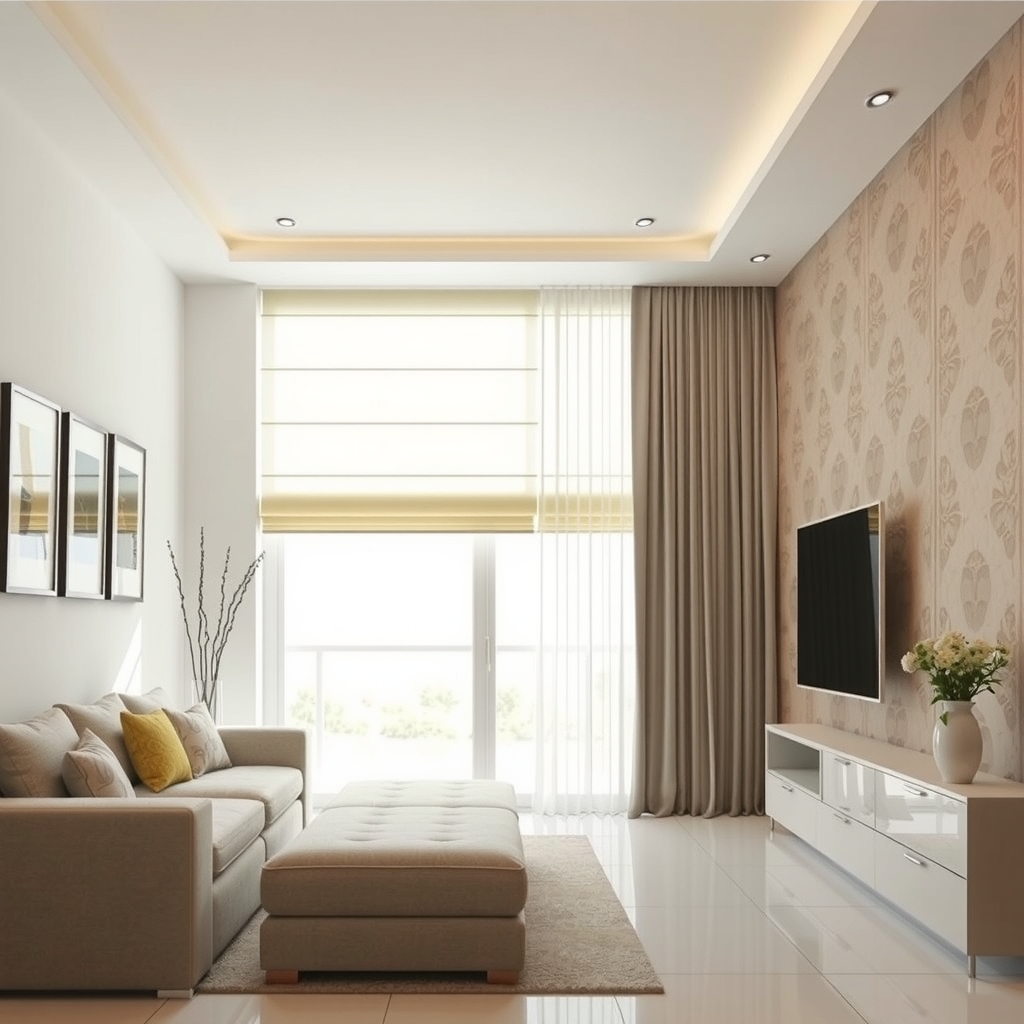
Roman Blinds Qatar: Stylish, Functional Window Treatments for Every Home
Quick answer: Roman blinds in Qatar are elegant fabric window coverings that fold into soft horizontal pleats, offering a warm and stylish alternative to curtains and roller blinds. They suit villas, apartments, and offices across Doha, Al Sadd, Lusail, and beyond, providing excellent light control and privacy. Prices vary by size, material, and installation complexity; Home Decor Qatar offers custom solutions and free site visits to match your needs precisely. Roman blinds combine the softness of curtains with the compact footprint of blinds. Material choice affects light control, heat resistance, and style in Qatar’s climate. Installation costs vary with window size, fabric, and added features like automation. Expert measuring and fitting ensure a perfect finish, which Home Decor Qatar provides. Roman blinds complement other interior elements like gypsum ceilings, SPC flooring, and wallpaper. What exactly are Roman blinds and why choose them in Qatar? Roman blinds are fabric window coverings designed to stack evenly into horizontal folds when raised, creating a soft layered look akin to curtains but on a slimmer scale. They enhance any room’s decor with their warmth and texture, while the folding mechanism provides flexible light control. In Qatar’s climate, where intense sunlight is common, Roman blinds allow you to filter or block light effectively, reducing heat and glare. They are especially suitable for villas in Al Waab, offices in West Bay, and apartments in The Pearl where style and comfort are priorities. Compared to roller blinds, Roman blinds bring more softness and textural interest to interiors. Because they are custom-made, you can select fabrics that withstand UV exposure and match your room’s color scheme and style. This makes Roman blinds a versatile solution for residential and commercial properties alike, complementing other home décor elements such as gypsum ceilings and SPC flooring Qatar. How much do Roman blinds cost in Qatar in 2026? The cost of Roman blinds varies primarily with the size of your window, fabric choice, and installation complexity. Custom fabrics that offer blackout or UV resistance can increase the price. Additional features like automation or complex mounting increase the overall cost. While exact prices depend on specifics, Home Decor Qatar offers expert consultations and free site visits anywhere in Doha, Lusail, and other areas. This helps determine a precise, no-surprise quote tailored to your project. Pricing also considers access difficulty and whether modifications to window frames are needed. Unlike fixed-price options, this customised approach ensures you get the best value and functionality for your home or office. For a detailed understanding, contacting Home Decor Qatar is the recommended next step. This process often integrates with other interior services like painting services and Qatar Wallpaper. Which fabrics are best for Roman blinds in Qatar’s hot and sunny climate? Fabrics for Roman blinds in Qatar need to be durable, easy to clean, and effective at blocking UV rays and heat. Popular options include polyester blends with blackout linings, which help maintain cooler interiors and protect furnishings from sun damage. Light-filtering fabrics are ideal for living rooms or offices where natural light is welcome but glare must be reduced. For bedrooms and media rooms, blackout fabrics block all light and provide privacy. Moreover, fabrics treated for stain resistance or antibacterial properties offer an advantage in commercial spaces. Proper fabric selection impacts both comfort and energy efficiency in your property. Your installer can help you balance style with performance, ensuring your Roman blinds contribute to interior harmony alongside elements like curtains Qatar and roller blinds. Where are Roman blinds best installed within Qatari homes and offices? Roman blinds fit well in most rooms but excel in spaces where a softer, elegant window covering is preferred, such as living rooms, dining areas, master bedrooms, and executive office spaces. Their fabric folds add a decorative layer that blends with sophisticated decor. In villas in areas like Al Rayyan or Al Wakrah, Roman blinds add warmth without bulky curtains. In offices across City Centre Doha or Lusail, they provide professional yet inviting window treatments that help control glare on monitors while allowing easy operation. Rooms with gypsum ceilings or decorative wall treatment often pair well with Roman blinds because both add texture and layers to interior design. For rooms demanding heavy light blocking or privacy, black-out Roman blinds or additional liner layers can be installed. Can Roman blinds in Qatar be automated or motorized? What should you know? Roman blinds can indeed be motorized or automated, allowing you to operate them remotely or via smart home systems. This is especially convenient for large windows or multiple blinds in villas and offices. The integration of motors involves considering power sources and installation access. Automation enhances usability but adds to cost and installation complexity. For some buildings in Doha Industrial Area or Lusail, wiring or battery-powered motors are options. Choosing motorized Roman blinds depends on your lifestyle and budget. Home Decor Qatar can provide custom solutions compatible with your smart home preferences, paired with professional fitting services to ensure reliability and durability. How to measure windows for Roman blinds the right way in Qatar? Accurate window measurements are critical for Roman blinds to fit perfectly and operate smoothly. Measure width at the top, middle, and bottom of the window frame; use the narrowest measurement for inside-mount blinds. For outside mounts, include desired overlap for full window coverage. Measure height from the top of the mounting point to the sill or desired drop length. It’s especially important in Qatar to consider window frame finishes and any limitations caused by window handles or latches. Home Decor Qatar offers professional measuring services to avoid errors that cause operational issues or aesthetic flaws. This process is essential before ordering and aligns with other interior solutions like interior decoration. What are common installation challenges and how are they handled in Qatar? Installation challenges for Roman blinds in Qatar mainly include difficult access to windows, uneven surfaces, and integration with existing interior elements like gypsum partitions or wall tiles. High ceilings in villas or offices may require scaffolding