
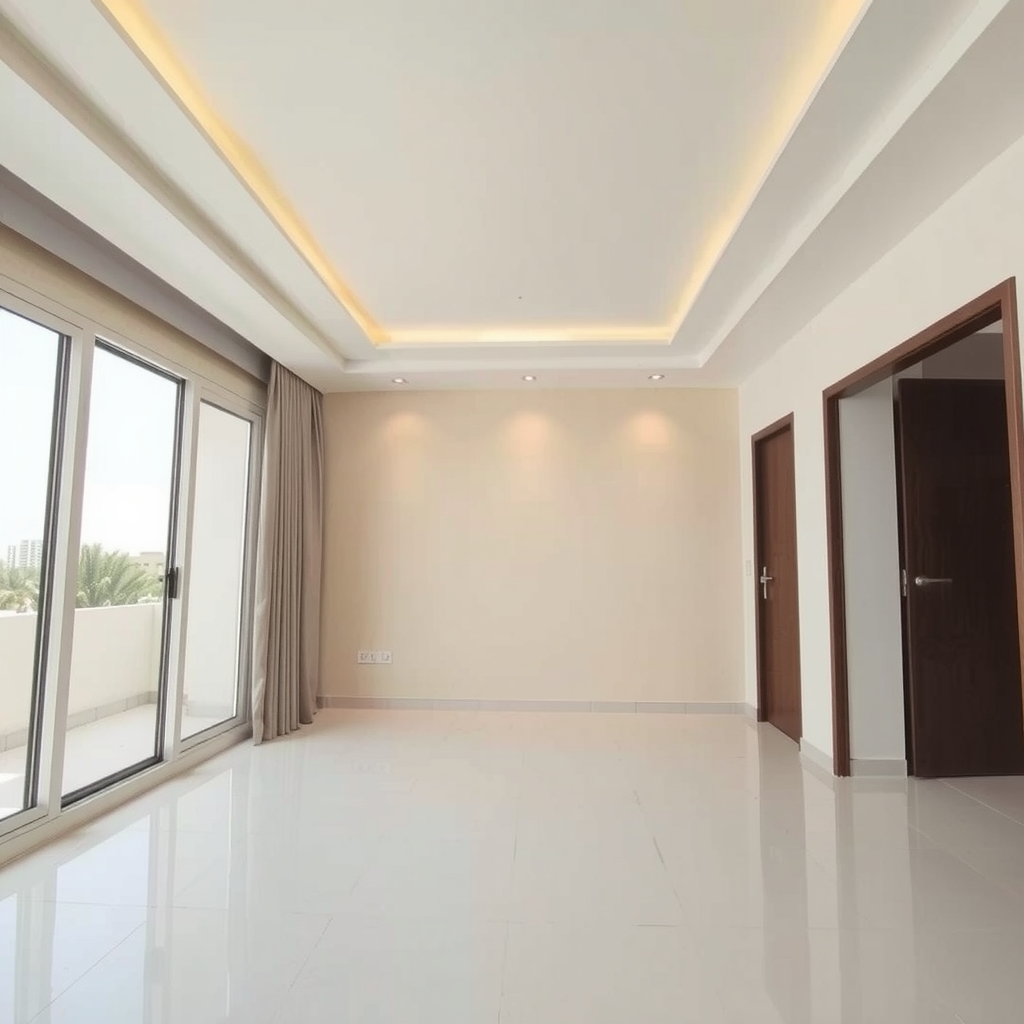
· By Abu Obaid
Quick answer: To prepare your floor for SPC flooring installation in Al Sadd, you must remove any existing floor coverings, thoroughly clean the subfloor, ensure it is completely dry, and use leveling methods to achieve a flat surface within 3 millimeters over a 2-meter span. This precise preparation guarantees a durable, smooth SPC flooring installation that resists damage and looks flawless.
- Remove all existing floor materials and debris.
- Ensure the subfloor is dry and structurally sound.
- Level uneven areas with a quality self-leveling compound.
- Eliminate adhesive residue and surface imperfections.
- Use a moisture barrier if installing over concrete to prevent damage.
Proper floor preparation is essential for lasting SPC flooring, as detailed by Home Decor Qatar’s experienced installation team. For an overview of SPC flooring benefits and styles, see SPC Flooring in Al Sadd | Durable, Stylish Floors with Professional Installation.
What is the ideal subfloor condition for SPC flooring installation in Al Sadd?
The ideal subfloor for SPC flooring in Al Sadd is clean, dry, and level with minimal imperfections.
SPC (Stone Plastic Composite) flooring requires a flat surface for proper locking and to prevent plank movement. Suitable subfloors include concrete, cement screed, plywood, or chipboard that are structurally sound. The subfloor must be free from moisture issues and contaminants like grease or old adhesives, which can interfere with plank adherence and cause damage over time. Clean the surface meticulously by sweeping, vacuuming, and using a degreaser if necessary. A moisture barrier is often recommended over concrete slabs in Al Sadd due to Qatar’s humidity and occasional dampness, especially in older buildings. Precise leveling to 3 mm tolerance across 2 meters is standard to avoid gaps or squeaks. Competent professionals from Home Decor Qatar use moisture meters and leveling tools to guarantee these standards. Correct subfloor preparation lays the foundation for a flawless installation and extends your floor’s life significantly. For detailed price information, see our SPC flooring cost in Al Sadd guide.
How do I remove old flooring and adhesive residues before installing SPC flooring?
Removing old flooring and adhesive residues prevents unevenness and bonding problems during SPC flooring installation.
Start by stripping away carpet, tiles, vinyl, or laminate flooring carefully. Use scraping tools or power floor scrapers to remove glued materials. If adhesives remain stuck to the subfloor, apply commercial adhesive removers designed for cement or wood surfaces, following safety guidelines. Any sticky residue must be eliminated completely as it can compromise the click-lock system of SPC planks and cause uneven surfaces. In Al Sadd buildings, tile and vinyl floors are common, so expect to spend time on thorough removal. Sometimes chemical strippers and light sanding may be necessary, but excessive sanding risks subfloor damage. Rely on hands-on expertise or hire professionals like Home Decor Qatar to avoid subfloor harm while achieving a perfectly clean base. Proper subfloor cleaning also benefits from home painting preparation tips in Al Sadd.

Why is leveling the floor important, and how do I do it for SPC flooring?
Leveling the floor ensures a smooth, stable surface, preventing SPC planks from shifting or cracking under pressure.
Uneven surfaces cause click-lock joints to misalign and can damage the SPC floor structure over time. Use a self-leveling compound for concrete or cement subfloors with dips or hollows exceeding 3 mm over 2 meters. Mix the compound following manufacturer instructions and pour it onto the subfloor, spreading evenly with a trowel or squeegee. For wooden subfloors like plywood, fill gaps with floor patching compounds and sand roughness after drying. In Qatar’s climate, allowing sufficient drying time of 24 to 48 hours is essential due to humidity variations in Al Sadd. Ensure any leveling material chosen is compatible with SPC flooring. This meticulous preparation reduces installation errors and supports the floor’s durability. Home Decor Qatar’s team uses laser levels and moisture meters to verify surface readiness, guaranteeing precise results.
How do I check and manage moisture levels before SPC flooring installation?
Checking and managing moisture levels prevents swelling and warping of SPC flooring, especially important in Al Sadd’s humid environment.
SPC floors resist moisture but require a dry subfloor to perform optimally. Concrete slabs may emit moisture vapor that damages flooring and adhesive if untreated. Professionals measure subfloor moisture with electronic hygrometers. When moisture exceeds permissible limits, usually a moisture content below 2.0% for concrete, install a moisture barrier, such as a polyethylene sheet or liquid moisture membrane. These barriers stop vapor transfer from beneath floors in humid places like Al Sadd. For wooden floors, check for rot or excessive dampness that requires repair before SPC installation. This moisture management step extends floor lifespan and reduces maintenance costs. Consult Home Decor Qatar experts who provide onsite testing and professional moisture control solutions to protect your investment. For related moisture considerations, see our surface preparation for tile installation guide.

What tools and materials are essential for preparing a floor for SPC installation?
Essential tools include a vacuum, scraper, leveling compound, trowels, moisture meter, and cleaning supplies for subfloor preparation.
Vacuum or broom removes dust and debris. A floor scraper helps strip old flooring and adhesive. Self-leveling compound and floor patch fill unevenness. Use a long straightedge or laser level to measure flatness. Moisture meters assess water content in concrete or wood. Degreasers clean contaminants. Safety gear, gloves, goggles, masks, protect during scraping and chemical use. For adhesive residue removal, commercial removers and putty knives help. A shop vacuum reduces dust after sanding or scraping. Home Decor Qatar technicians bring professional-grade tools ensuring exact floor prep, avoiding common DIY pitfalls. Using the right tools improves preparation efficiency, ensures subfloor quality, and leads to a seamless SPC flooring finish.
When is it necessary to install a moisture barrier beneath SPC flooring?
A moisture barrier is necessary when subfloor moisture exceeds recommended levels, especially on concrete floors in humid Al Sadd areas.
Concrete subfloors often have residual moisture due to Qatar’s environment, vapor seeping from the ground, or construction methods used. A polyethylene sheet or specialized liquid moisture barrier prevents rising dampness that can warp SPC flooring or promote mold. Install the barrier after thorough cleaning and leveling, before laying SPC planks. Not all installations require this barrier, but a moisture test confirms eligibility. Wooden subfloors typically do not need moisture barriers unless originating decay risk exists. Home Decor Qatar applies moisture barriers when tests detect dampness above 2% in concrete, adhering to Qatar construction standards to maintain flooring integrity. Preventative moisture control helps avoid future costly repairs and ensures an even surface. Similar moisture protection methods apply in gypsum partition installation in Qatar.
How do specific room types in Al Sadd affect subfloor preparation for SPC flooring?
Room purpose influences subfloor preparation strategies for SPC flooring due to varied moisture exposure and foot traffic.
Bathrooms and kitchens require stricter moisture barriers and waterproofing measures as water exposure is frequent. Laying a self-leveling compound that is compatible with moisture membranes is crucial in these areas. Living rooms and offices in Al Sadd typically focus more on leveling and surface smoothness due to heavy footfall and furniture weight. For villas, which may have tiled or cement subfloors, inspection for cracks or loose areas is critical before SPC installation. Commercial office spaces often need additional subfloor reinforcement to handle higher traffic load. Subfloors in older Al Sadd apartments may require more extensive cleaning of old adhesive or previous tile residue. Adapt your floor prep to each room’s function, ensuring both durability and aesthetics. This targeted approach prevents common failures like plank warping in moisture-prone zones or uneven flooring in heavy-use areas.
What common mistakes should be avoided during floor preparation for SPC flooring?
Common preparation mistakes include ignoring moisture, inadequate leveling, incomplete adhesive removal, and installing over dirty surfaces.
Neglecting moisture testing leads to swelling and adhesive failure. Uneven floors without proper leveling cause plank gaps and damage. Residual adhesives or debris trap moisture and weaken locking joints. Rushing installation before compounds dry causes floor instability. Using incompatible leveling products with SPC flooring glue or click-lock systems results in poor bonding. Overlooking cleaning allows dirt to create uneven contact points. Homeowners in Al Sadd often underestimate the importance of these steps, risking costly repairs. Hiring Home Decor Qatar avoids such errors, as their expert team follows strict preparation protocols, ensuring long-term performance and a high-quality finish.
What is the step-by-step checklist to prepare a floor for SPC flooring in Al Sadd?
- Remove all existing floor coverings and debris.
- Scrape and clean residual adhesives completely.
- Sweep and vacuum the subfloor thoroughly.
- Check moisture content with appropriate meters.
- Install moisture barrier if moisture levels require it.
- Fill cracks, holes, and dips with self-leveling compound.
- Smooth leveled areas and allow to dry fully (24-48 hours).
- Sand any rough patches on wooden subfloors after filling.
- Clean the subfloor again to remove dust post-sanding.
- Confirm evenness within 3 mm over 2 meters with a level tool.
- Ensure subfloor temperature is between 18–29°C before installing.
- Consult installation professionals like Home Decor Qatar for inspection.
How does subfloor condition affect the durability and appearance of SPC flooring?
Subfloor condition directly impacts SPC flooring’s lifespan, click stability, and visual appeal.
A properly prepared subfloor supports SPC planks, preventing movement that causes wear or separation. Uneven subfloors create stress points, leading to cracking or warping, especially in climate-sensitive regions like Qatar. Moisture from improperly sealed concrete damages SPC cores despite their water resistance, causing swelling or mold growth underneath. Contaminants weaken bonding, leading to premature flooring failure or an unsightly finish. Conversely, a smooth, dry, and solid subfloor enables SPC flooring to perform at its best, maintaining its stylish look and durability for years. Home Decor Qatar prioritizes ideal subfloor conditions, resulting in a flawless installation respected in Al Sadd’s villa, apartment, and office markets.
What flooring types can SPC be installed over in Al Sadd homes and offices?
SPC flooring can be installed over various subfloors including concrete, cement screed, plywood, chipboard, and sometimes existing vinyl if well-prepared.
Concrete and cement screed are most common in Al Sadd’s newer homes and offices, requiring cleaning, leveling, and moisture barriers. Wooden subfloors such as plywood or chipboard need gap filling and surface smoothing. SPC flooring can sometimes be installed over existing vinyl or laminate if the surface is flat and stable but requires professional assessment to avoid issues. Subfloors like carpet or loose tiles must be removed entirely. Each subfloor type demands specific preparation steps to ensure SPC planks interlock properly and maintain durability. For expert guidance, Home Decor Qatar evaluates your property’s flooring type and subfloor condition before recommending the best preparation and installation method.
How long does the entire preparation process take before SPC flooring can be installed?
Preparation time varies but typically spans 2 to 4 days depending on subfloor condition and ambient factors in Al Sadd.
Removing old flooring and adhesive takes 1 day. Cleaning, moisture testing, and barrier installation may take several hours. Leveling compounds require 24 to 48 hours drying time depending on humidity. Final sanding and sweeping add additional time. In Qatar’s warm climate, drying times may speed up but humidity in Al Sadd can extend drying. Rushing these steps compromises the installation. Home Decor Qatar schedules preparation efficiently and coordinates any overlapping interior services like painting or gypsum ceiling work to minimize total project time while ensuring quality.
What special considerations are there for SPC flooring preparation in Al Sadd’s climate?
Al Sadd’s hot, humid climate requires strict moisture control and temperature monitoring before SPC flooring installation.
High humidity can cause moisture accumulation beneath floors, especially in concrete slabs or poorly ventilated rooms. This necessitates moisture barriers and accurate moisture meters. Extreme heat fluctuations also affect adhesives and materials, so subfloor and room temperature control during installation is crucial. Seasonal timing of installations may matter as well. Homeowners often combine SPC flooring installation with interior decoration or painting services from Home Decor Qatar, allowing coordinated climate control measures to protect all finishes. Maintaining proper HVAC during installation helps prevent expansion or contraction issues common in Qatar.
Home Decor Qatar offers a free site visit anywhere in Qatar and explains the work, the materials and the cost in simple words before starting
If you want to ensure your floor is perfectly prepared for SPC flooring installation, you can trust Home Decor Qatar’s expert team. They provide a free site visit across Al Sadd, Doha, and nearby areas to inspect your subfloor condition, advise on moisture control, leveling, and cleaning steps, and explain costs clearly. Their SPC flooring service, including materials and installation, starts from 130 QAR per square metre, depending on your project details. Contact Home Decor Qatar via WhatsApp at +974 7101 9130 or by phone at +974 7101 9130 and +974 5066 2402 for your personalized consultation and hassle-free flooring transformation.
Frequently Asked Questions About Preparing Floors for SPC Flooring in Al Sadd
How do I prepare my floor for SPC flooring installation in Al Sadd?
Remove existing floors, clean and dry the subfloor, level uneven areas within 3 mm tolerance, and apply a moisture barrier if needed before laying SPC flooring.
Can SPC flooring be installed over uneven floors?
No, uneven floors must be levelled first because SPC flooring requires a flat surface to ensure durability and avoid plank damage.
What is the best subfloor type for SPC flooring?
Concrete, cement screed, plywood, and chipboard subfloors that are clean, dry, and flat are ideal for SPC flooring in Al Sadd homes and offices.
How long should I wait after subfloor preparation to install SPC flooring?
Wait 24 to 48 hours for leveling compounds or moisture barriers to dry completely to avoid moisture damage or uneven setting.
Do I need professional help to prepare my floor for SPC flooring?
Professional help is strongly recommended in Al Sadd to ensure accurate floor leveling, moisture testing, adhesive removal, and optimal results.