
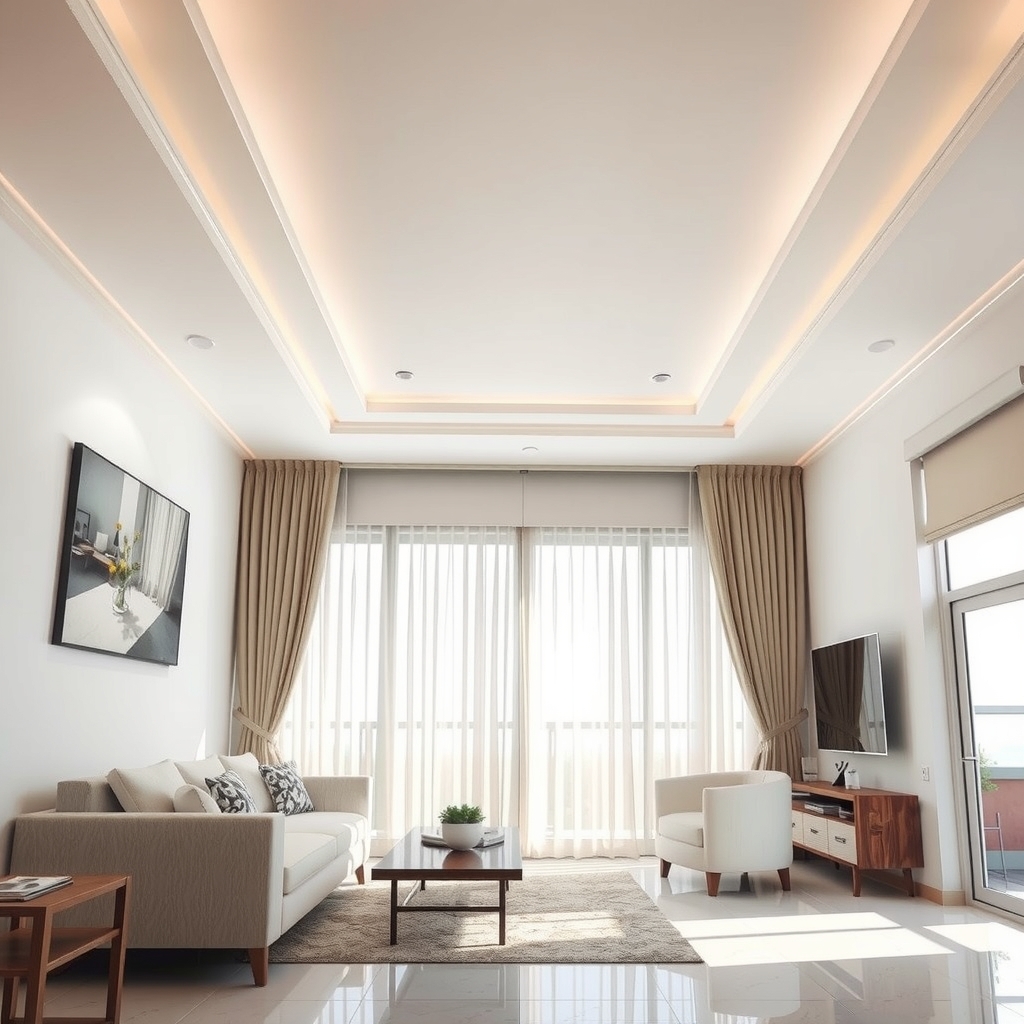
Quick answer: Interior painting in Al Sadd focuses on aesthetics, smooth finishes, and indoor durability, using paints optimized for humidity and easy cleaning, while exterior painting requires tougher, weather-resistant coatings designed to withstand intense heat, dust storms, and UV exposure typical in Al Sadd. These differences affect materials, techniques, and costs. Choosing the right service depends on whether you need protection against Al Sadd’s climate or stylish indoor decor. For a full guide on painting services in Al Sadd, see the main painting services in Al Sadd page. Interior paint prioritizes cleanability and smooth finishes suited for indoor environments. Exterior paint requires UV protection, water resistance, and durable adhesion to combat Al Sadd’s harsh weather. Preparation and surface treatment differ significantly between interior gypsum ceilings and exterior walls. Painting costs vary due to materials, accessibility, and environment-specific challenges. Choosing the right painting service in Al Sadd impacts longevity and maintenance costs. What are the key material differences between interior and exterior paints used in Al Sadd? Interior paints in Al Sadd are formulated for smooth application, low odor, and the ability to resist indoor humidity and occasional cleaning. Exterior paints are thicker, tougher, and contain additives for UV resistance, water repellence, and protection against dust and sandstorms common in Al Sadd. Exterior paints also have flexible binders to prevent cracking from heat expansion. For example, exterior paints include titanium dioxide and acrylic copolymers, making them more durable under strong sun exposure, while interior paints focus on fewer VOCs and better spreadability on gypsum board ceilings or plaster walls. Understanding these material differences helps prevent premature paint failure, especially in Al Sadd where climate stress is high. Home Decor Qatar ensures the use of suitable paints for each application to guarantee lasting beauty and protection. How do painting techniques differ between interior and exterior services in Al Sadd? Interior painting concentrates on achieving a flawless finish on smooth surfaces like gypsum ceilings and walls. Techniques often involve multiple coats of primer and paint, light sanding, and attention to minimizing fumes in closed areas. Exterior painting requires thorough surface cleaning, priming to seal porous surfaces, and application during cooler hours to reduce paint drying too fast in Al Sadd’s heat. Exterior surfaces often need extra steps such as crack repairs, caulking joints, and the use of elastomeric coatings that expand and contract with temperature changes. The presence of dust and sand means exterior painters must cover nearby items and frequently clean surfaces before and after painting. What challenges do local weather conditions in Al Sadd pose for exterior painting? Al Sadd’s intense sunlight, high temperatures often exceeding 45 degrees Celsius, and frequent dust storms challenge exterior paint longevity. Paint must resist fading, chalking, and peeling over several years. Heat accelerates paint drying, so timing and product choice are crucial. Humidity variations between summer and winter seasonally impact paint adhesion, necessitating products with moisture-resistant properties. Without these precautions, exterior paint can degrade quickly, exposing walls to moisture and structural damage. Why is surface preparation different for interior versus exterior walls in Al Sadd? Interior surfaces, such as gypsum ceilings or plaster walls, require smoothing, dust removal, and priming before painting. Exterior surfaces face more variables: cleaning dirt and sand off porous concrete or brick, repairing cracks from heat damage, and sometimes applying sealants or waterproofing primers to extend paint life. Preparation quality directly impacts durability and appearance; for instance, applying paint directly on dusty, untreated exterior walls in Al Sadd leads to peeling. Home Decor Qatar’s preparation includes surface cleaning and repair as standard to achieve optimal outcomes. How does cost differ between interior and exterior painting projects in Al Sadd? Generally, interior painting costs less per square metre than exterior due to easier access and simpler preparation. Exterior painting involves more materials like durable primers and specialized paints, plus additional labor for scaffolding or protective coverings. For detailed pricing, see our costs and pricing factors in Al Sadd. Costs are affected by wall size, surface condition, and detail complexity. For examples, gypsum board ceilings with fixing start from 40 QAR per square metre, while exterior surfaces may cost more depending on required treatments and paint types. Clients should get a free site visit to assess their property’s scope accurately. Is it safe to paint interior walls during Al Sadd’s hot season? Painting interior walls during Al Sadd’s hot months requires careful timing to avoid excessively fast drying, which can cause uneven finishes and cracks. Professional painters often schedule interior jobs during early mornings or late afternoons and use paints suited for high temperatures and humidity control. Avoid painting under direct sunlight through large windows, which can also cause the paint to dry too quickly. Proper ventilation is recommended to maintain air quality indoors during painting. What should you consider when choosing between interior and exterior painting services for mixed-use properties in Al Sadd? For mixed-use properties such as villas with home offices or commercial storefronts in Al Sadd, deciding between interior and exterior services requires balancing protection and aesthetics for different zones. Interior areas prioritize smooth finishes and color impact, while exterior areas need durability against climate damage. Explore our villa painting services in Qatar for tailored interior and exterior solutions. Consider the surface type (gypsum ceilings, concrete walls), usage patterns (high-traffic hallways vs. shaded balconies), and long-term maintenance costs. Sometimes upgrading exterior surfaces with elastomeric coatings adds upfront cost but reduces repaint frequency, cost-effective for commercial façades. For example, a villa owner in Al Sadd might choose low-VOC, stain-resistant interior paints for bedrooms and water-resistant, UV-blocking exterior paint for walls and fence areas. Home Decor Qatar can evaluate the entire property holistically, recommending tailored solutions per zone to balance budget, durability, and style. Learn more about our expert Al Sadd painting services and tailored recommendations. How do experts at Home Decor Qatar tailor interior painting to suit Al Sadd homes? Home Decor Qatar specializes in interior painting that harmonizes with Al Sadd’s climate and design styles. They use paints that

How to Choose the Right Interior Designer in Qatar for Your Home or Office
Quick answer: To find the right interior designer in Qatar, you need a professional who understands local materials, climate, and regulations while offering tailored services such as gypsum ceilings, painting, wallpaper, SPC flooring, and curtains. Home Decor Qatar is an example of a trusted team handling these services across Doha, Lusail, and other regions. Focus on designers experienced with local building styles and materials. Costs vary by material and scope; Home Decor Qatar’s gypsum ceilings start from 40 QAR/m², SPC flooring from 130 QAR/m². Comprehensive services include decorative finishes, partitions, and AC service coordination. Consider project type and location because accessibility affects installation complexity and price. Request a free site visit to clarify scope and costs before starting. What does an interior designer in Qatar do for your home or office? An interior designer in Qatar plans and executes functional and stylish interiors using materials suited for the hot dry climate and local styles. This includes designing gypsum ceilings and partitions to define spaces, selecting durable SPC flooring that withstands heat and dust, painting walls with climate-appropriate finishes, and installing roller blinds or curtains for comfort and privacy. They coordinate fitting floor tiles, wallpaper installation, and sometimes AC servicing to maintain interior comfort. Companies like Home Decor Qatar cover these areas comprehensively, ensuring cohesion from design through completion. Effective interior design in Qatar must consider thermal insulation and easy maintenance due to the harsh climate. For example, gypsum board ceilings provide sound insulation and improve indoor climate control. SPC flooring Qatar options are waterproof and ideal for busy homes or offices. Overall, interior designers in Qatar create environments that balance aesthetic appeal with durability and local needs. How much does interior design cost in Qatar in 2026? Interior design costs in Qatar depend mainly on project size, material choices, and the complexity of work. For example, gypsum ceilings start from 40 QAR per square metre including fixing, while SPC flooring with materials and installation begins at 130 QAR per square metre. Wallpaper starts from 30 QAR per square metre with materials and installation. Painting will vary by surface area and finish but expect competitive pricing around local standards. Extra costs arise when designs require custom gypsum partitions, complex layout changes, or imported materials. Accessibility also matters; projects in high-rise villas in The Pearl or West Bay might cost more due to logistics. Home Decor Qatar offers free site visits to help you understand the cost structure before you commit, making it easier to budget your project effectively. How do I find a reliable interior designer in Qatar? Reliability means the designer understands your home’s or office’s architectural style, climate challenges, and uses approved materials. Start by checking portfolios to see work involving gypsum board ceilings, decorative partitioning, painting, and window treatments typical for Qatar interiors. Ask if they offer full-service solutions like Home Decor Qatar, which covers from initial design to AC servicing. It’s important they communicate clearly about timelines and pricing, explaining how factors like room size, finishing level, or accessibility affect the project. Reviews and client feedback, if accessible, add confidence. Requesting a free site visit helps verify their professionalism and lets them provide a tailored quote with realistic timelines, ensuring fewer surprises. What are the most popular interior design materials in Qatar? Gypsum board is the most popular ceiling and partition material because it is lightweight, fire-resistant, and easy to customize with designs or curves. SPC flooring is widely preferred for its durability, moisture resistance, and ease of cleaning, especially suitable for Qatar’s climate. Wallpaper is favored for adding texture and patterns without the mess of painting, whereas painting remains a cost-effective option for both interiors and exteriors, providing multiple finish options. For window treatments, roller blinds and curtains are popular due to their ability to regulate light and heat. Floor tiles designed specifically for the Qatari climate, usually ceramic or porcelain, are chosen for their cooling properties and durability in high-traffic areas. Choosing the right material for each room depends on function, wet areas need water-resistant tiles; living rooms benefit from warmer SPC flooring. Discuss these with your interior designer for tailored advice. How much does gypsum board ceiling installation cost in Qatar? The cost for gypsum board ceilings installation in Qatar starts from 40 QAR per square metre including fixing, depending on design complexity and ceiling height. Simple flat ceilings cost less than decorative recessed or multi-level designs. Accessibility also affects price; high ceilings in villas in Al Markhiya or The Pearl require more labor and equipment. Complex designs with integrated lighting or ventilation ducts increase costs further. Home Decor Qatar provides expert gypsum board installation with options to customize through shapes, colors, and textures for modern homes or offices. What types of SPC flooring are best suited for Qatar homes? SPC flooring, known as stone plastic composite, performs well in Qatar due to its heat resistance, waterproof qualities, and durability. Options vary by thickness, finish, and locking systems. Thicker SPC flooring provides better sound insulation and comfort for living rooms, while thinner options suit offices with light traffic. Textured finishes minimize slipping and hide dust, a practical feature in Doha’s dusty environment. Installation includes leveling and underlayment to maximize comfort and longevity. Home Decor Qatar offers SPC flooring with materials and installation starting at 130 QAR per square metre. Which window treatments are ideal for Qatar interiors? Curtains and roller blinds are the two main window treatments favored in Qatar, each serving different purposes. Curtains add softness and can be insulated to reduce heat and sun glare, suitable for bedrooms or living rooms. Roller blinds offer a streamlined look and greater light control, ideal for offices or modern villas in Lusail or Al Wakrah. Fabric choice is key; blackout materials work well for privacy and climate control. Both options should be custom-fit for efficient sun protection, especially for homes in West Bay or The Pearl, where sunlight exposure is intense. How does climate affect interior design choices in Qatar? Qatar’s hot, dry climate
How to Prepare Your Home for Professional Painting Services in Al Sadd?
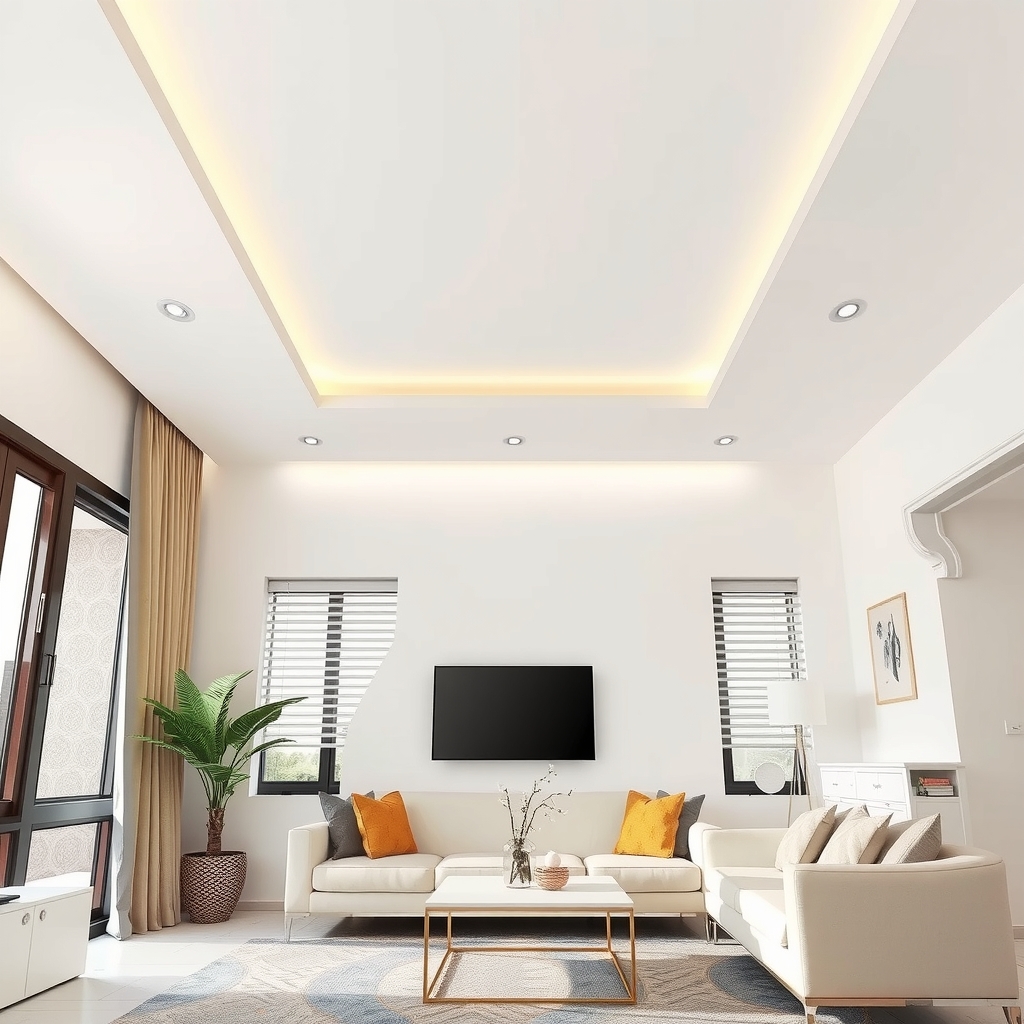
Quick answer: To prepare your home for professional painting services in Al Sadd, thoroughly clean the walls, repair any cracks or holes, sand surfaces smooth, and apply primer if recommended. Move or cover furniture and protect floors and fittings to ensure a flawless job with minimal disruptions. Effective surface preparation helps paint adhere better and last longer, especially considering Qatar’s climate challenges. Cleaning, filling cracks, sanding, and priming are the foundation of preparation. Protecting furniture and flooring avoids costly damage during painting. Adjust preparation steps depending on your home type, villa or apartment. Humidity control impacts paint drying; consider air conditioning adjustments. Home Decor Qatar offers expert help with preparation and painting in Al Sadd. Why is preparing your home crucial before professional painters arrive in Al Sadd? Proper preparation ensures paint adheres well, creates a uniform finish, and prevents future paint problems like peeling or discoloration. In Al Sadd, the heat and humidity can affect paint drying and adhesion, making surface readiness vital. Neglecting preparation leads to costly touch-ups and delays. Moving furnishings and protecting floors reduce cleanup and damage risks. Preparing surfaces also helps painters work faster and achieve better precision. Thus, preparation keeps your home protected and guarantees lasting, beautiful results. How do I clean walls effectively before painting in Al Sadd? Cleaning walls removes dust, grease, and stains that block paint adhesion. Use a mild detergent solution or specialized wall cleaner. For oily or kitchen walls, sugar soap or trisodium phosphate is effective. Wipe walls clean with a damp sponge, then dry completely for 1-2 hours. In Qatar’s dust-prone environment, this step is especially important to remove fine dust layers. Avoid using harsh chemicals that may damage gypsum board or wallpaper surfaces. Proper cleaning prepares your walls to accept primer and paint evenly. What is the best way to repair wall cracks and holes before painting? Fill cracks and holes with a high-quality filler or joint compound matching your wall type, whether gypsum board, plaster, or concrete. Apply with a putty knife, let dry fully (usually 1-4 hours), and then sand smooth with fine-grit sandpaper (120-220 grit). For larger cracks, reinforce with mesh tape before applying filler. In Al Sadd’s climate, repairing cracks also prevents moisture ingress and mold risks behind walls. A level, smooth surface free of imperfections provides the ideal canvas for painting services in Al Sadd. Do I need to sand walls before painters arrive, and how? Yes, sanding smoothens filled areas and glossy or rough surfaces which helps paint adhesion. Use medium-to-fine sandpaper (180-240 grit). Sand in circular motions or along the grain to achieve a flat, even finish without scratches. After sanding, wipe down surfaces with a damp cloth or tack cloth to remove dust. In humid Qatar conditions, ensure walls are dry to avoid sanding damp spots. Proper sanding reduces paint blotches and uneven texture, key for a high-quality finish. When and why should primer be applied before painting in Al Sadd? Primer should be applied to repaired, porous, or previously unpainted surfaces before painting. It helps paint bond securely, evens out wall porosity, and prevents stains from bleeding through. In Al Sadd, primer also provides a barrier against humidity fluctuations and alkalinity in fresh gypsum boards or plaster. Consult your painter or Home Decor Qatar about recommended primer types, as some finishes or surfaces require special primers. Skipping primer risks peeling and uneven color coverage. What steps should I take to protect furniture and flooring before painting? Move furniture to the center of rooms or out entirely if possible. Cover remaining items, floors, and coverings with plastic sheets, tarps, or drop cloths. Seal edges with painter’s tape to prevent paint drips. Protect all fixtures such as light switches, sockets, and baseboards with masking tape. This protects valuable furnishings and flooring like SPC flooring and floor tiles. Taking these steps before painters arrive reduces cleanup and prevents accidental damage during wall preparation or painting. How does climate in Al Sadd affect painting preparation and timing? Al Sadd experiences high temperatures and relatively high humidity, especially in summer. These conditions can extend drying times for fillers, primers, and paints, and affect adhesion if the surface is damp. Prepare surfaces well in advance, scheduling repairs and primer applications to dry fully under controlled indoor temperature, ideally with AC running. Humidity can cause paint to blister or peel if put on too soon. Plan for slower drying times when booking painting services in Al Sadd to avoid rushed work. How long should I expect surface preparation to take before painting starts? Preparation time varies based on wall condition and home size, typically ranging from several hours to one or two days. Cleaning can take an hour for a standard room, while crack repairs might take up to a full day including drying. Sanding usually requires a couple of hours plus dust clearing. Primer application adds drying time of 3-5 hours or more. In larger villas or homes with multiple rooms, these steps extend accordingly. Proper scheduling ensures optimal paint finish and durability. What hidden costs or challenges should you consider when preparing your home for painting in Al Sadd? Hidden costs often come from surprise repairs discovered during preparation, such as mold spots behind gypsum partitions or hidden cracks in ceilings or walls. Older buildings may require additional sanding or re-plastering steps. Protecting high-end flooring like SPC flooring, floor tiles, and curtains demands extra materials and care time. Temporary relocation of furniture or appliances adds labor costs. Climate-related delays due to humidity might prolong the project timeline. Consulting a specialist team such as Home Decor Qatar for a detailed site assessment can help avoid unexpected expenses by planning precise steps from the start. What are common mistakes homeowners make during painting preparation in Al Sadd? Failing to clean walls thoroughly, leaving dust or grease behind Skipping crack and hole repairs, leading to visible flaws after painting Neglecting to sand repaired or glossy surfaces for better adhesion Omitting primer application on new or
Blackout Curtain vs Roller Blind: Which is Best for Your Home in Qatar?
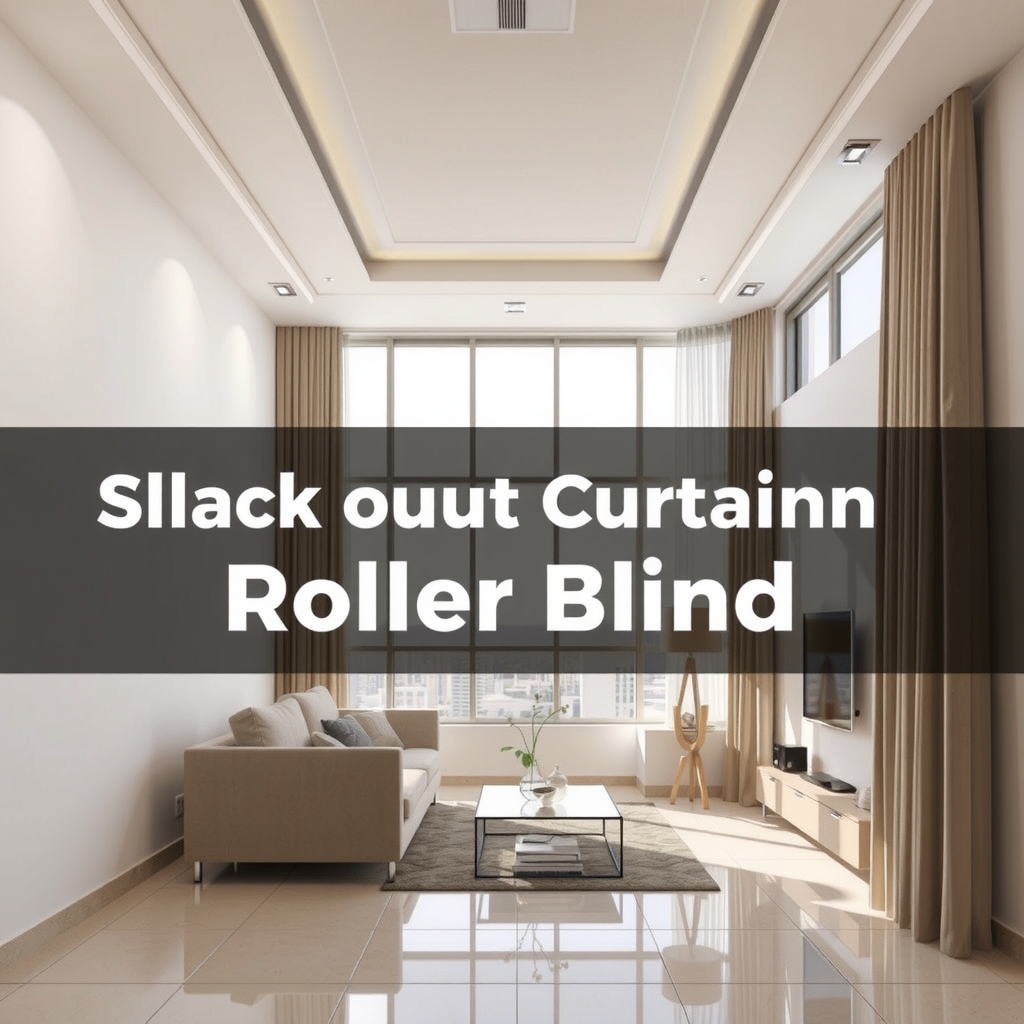
Quick answer: Which is better, blackout curtain vs roller blind? Quick answer: Both blackout curtains and roller blinds can effectively block light, but blackout curtains offer superior insulation, noise reduction, and a softer aesthetic, while roller blinds save space and fit small windows better. Your choice depends on your room size, style preference, and insulation needs. Home Decor Qatar provides expert installation and customization to match either option perfectly to your home or office in Doha, Lusail, or The Pearl. Blackout curtains block light better and provide added insulation and noise control. Roller blinds suit small windows and modern, compact interiors. Both options can be motorized and come in various fabrics and designs. Installation complexity and cleaning differ between curtains and blinds. Custom fitting and styling matter more than material choice in Qatar’s climate. What is a blackout curtain and how does it work? A blackout curtain is a heavy fabric window covering designed to block nearly all outside light and improve insulation. It is hung from a rod above the window with fabric that extends beyond window edges for maximum coverage. The thick, often multi-layered fabric stops sunlight, reduces noise from outside, and can help maintain consistent room temperature, especially useful in Qatar’s hot climate. Many blackout curtains use polyester or woven fabrics with an additional blackout coating to ensure no light passes through. In Qatar homes, blackout curtains help bedrooms and media rooms stay dark and cool, especially in busy areas like Al Sadd or West Bay. Paired with quality curtain rods and professional installation, blackout curtains become a long-lasting, stylish feature for privacy and comfort. For tailored window solutions in busy districts, explore roller blinds in Al Sadd. What is a roller blind and how does a blackout roller blind differ? A roller blind is a window shade made of a single piece of fabric that rolls up onto a tube above the window when raised. A blackout roller blind uses thick, coated fabric that blocks light like blackout curtains but operates with a compact mechanism inside the window frame or just above it. Some blackout roller blinds in Qatar feature side channels or cassette systems to prevent light leakage along the edges, optimizing darkness. Roller blinds are popular in modern Qatari homes and offices that require minimal space usage and easy-to-operate window coverings. They provide a sleek, neat look ideal for small windows in places like Al Rayyan or Lusail apartments and are also available in motorized variants for convenient operation. For modern offices, consider roller blinds in Al Hilal Doha offering sleek style and ease. How do blackout curtains and roller blinds compare on light blocking? Blackout curtains typically block more light than roller blinds because their fabric extends beyond the window frame, overlapping the wall slightly. This overlap eliminates light gaps common with roller blinds, especially those without side channels. However, roller blinds with built-in side channels and thick blackout fabric, like cassette blinds, can achieve near-total darkness, rivaling blackout curtains. For rooms where total darkness is paramount, such as bedrooms or home theaters in Doha’s bright environment, blackout curtains are the safest bet. Roller blinds can work well if installed precisely with light-blocking features but may leave narrow gaps where light seeps in. Which option offers better thermal insulation and energy efficiency? Blackout curtains offer superior thermal insulation thanks to their thick fabric layers trapping air between the window and room. This insulation reduces heat gain in the hot Qatari climate, lowering cooling costs during the long summer. Roller blinds provide moderate insulation, with some models enhanced by insulated cores or added layers, but generally not as effective as curtains. For homeowners and offices in Qatar’s sunny areas like The Pearl or Lusail, installing blackout curtains can improve energy efficiency by maintaining cooler interiors and supporting air conditioning efforts, complementing services like AC maintenance from Home Decor Qatar. For best results with blackout curtains, consider our step-by-step guide to measuring windows for perfect curtain installation in Qatar to ensure a tailored fit and finish. How do blackout curtains and roller blinds differ in style and room suitability? Blackout curtains offer a wide range of design options from heavy drapes to modern sheers layered with blackout liners. Their soft folds add texture and a luxurious look, suitable for living rooms, bedrooms, and formal spaces requiring an elegant touch in villas or apartments. Roller blinds feature a clean, minimalistic appearance ideal for contemporary interiors, kitchens, offices, and small rooms where saving space is essential. For a contemporary look in apartments, see our collection of roller blinds The Pearl Qatar. For large windows or floor-to-ceiling glass panels common in West Bay or Al Wakrah villas, blackout curtains create a dramatic, cozy effect. In contrast, roller blinds fit small or oddly shaped windows found in compact apartments and office fit-outs. Home Decor Qatar customizes both options for style and function. Is cleaning and maintenance easier for blackout curtains or roller blinds? Roller blinds are easier to maintain because their smooth surface can be wiped down with a damp cloth. This low-maintenance feature suits busy households or offices in Doha Industrial Area or Al Markhiya. By contrast, blackout curtains usually require periodic machine washing or professional dry cleaning depending on fabric type, which can be more labor-intensive. For easy maintenance in dusty areas, explore blackout blinds Al Markhiya. Routine vacuuming with a brush attachment or gentle washing keeps blackout curtains fresh, but you should consider cleaning preferences when choosing your window treatment to avoid inconvenience. Can blackout curtains and roller blinds be motorized for automatic operation? Yes, both blackout curtains and roller blinds are available with motorized systems that allow remote control or integration with smart home systems. Motorized roller blinds are particularly popular due to their sleek design and simpler motor integration inside the roller tube. Motorized curtains, using electric tracks, provide smooth, quiet operation for heavy drapes. In modern Qatari homes and offices, motorization adds convenience and appeals to smart living trends. Home Decor Qatar

What Are the Costs and Pricing Factors for Painting Services in Al Sadd?
Quick answer: The painting service cost in Al Sadd depends mainly on factors like the size of the area, wall condition, paint quality, surface preparation needed, and whether it’s a residential or commercial project. Typical villa painting costs can range from 3500 to 6500 QAR, while smaller apartment jobs are proportionally less. Accurate budgeting requires a free site visit to assess your particular needs and preferences for finishes and materials, which a reputable local team like Home Decor Qatar can provide. Pricing varies by project size, surface prep, paint type, and access difficulty. Interior painting usually costs less than exterior due to material and labor differences. Residential and commercial jobs differ in scale and technical requirements. Getting a site visit and quote from Home Decor Qatar ensures accuracy. What is the average cost of painting services in Al Sadd for homes and businesses? Painting services in Al Sadd typically range from around 3500 to 6500 QAR for a standard three-bedroom villa, with prices varying greatly based on specifics. The total cost depends on the wall area in square metres, wall preparation like filling cracks or sanding, and the type of paint selected, water-based paints generally cost less than durable oil-based or weatherproof finishes. Commercial spaces tend to have larger surface areas and may require specialized coatings or more coats, increasing the price. Additionally, factors like ceilings, partitions, and trim painting add to labor and material costs. Home Decor Qatar offers tailored quotes after a site inspection to ensure all requirements are precisely accounted for. Which factors most affect painting service cost in Al Sadd? Key factors impacting painting service cost in Al Sadd include the total surface area, wall condition, paint quality, number of coats, and project complexity. Damaged walls needing repairs or extra preparation require more labor, driving costs up. Paint brands vary in price: premium brands provide better coverage and durability but cost more upfront. The paint finish also matters, matte, satin, or gloss finishes have different price points. Accessibility challenges such as high ceilings or awkward corners lengthen labor times and require special equipment. Interior versus exterior painting uses different materials, exterior paints are designed for weather resistance, thus costing more. Considering all these ensures you budget realistically for your painting project. How does wall condition influence painting price in Al Sadd? The state of your walls directly affects the time and materials needed, increasing total painting costs if repairs or surface prep are necessary. Walls with cracks, peeling paint, moisture damage, or holes require patching, sanding, priming, and sometimes mold treatment before painting can begin. This preparation can add 20 to 40 percent to the project’s cost depending on severity. For example, a fresh drywall surface versus an old concrete wall presents different challenges. Home Decor Qatar typically includes a detailed wall assessment during site visits to identify such issues and prepare an accurate estimate. Ignoring wall repairs often leads to poor paint adhesion and premature deterioration, costing more in the long run. What paint types and finishes are available, and which suit Al Sadd’s climate? Water-based acrylic paints are common for interiors, while oil-based and weatherproof paints suit exterior walls in Al Sadd’s hot, humid climate. For interior spaces, water-based paints offer quicker drying times, less odor, and easier cleanup cost-effectively. Exterior walls need weather-resistant coatings due to sunlight exposure and occasional humidity; elastomeric or siliconized paints are preferred for durability. Finishes include matte, eggshell, satin, semi-gloss, and gloss. Matte hides imperfections but is less washable, while semi-gloss and gloss offer higher durability ideal for kitchens or bathrooms. Selecting the right paint for your project affects cost and longevity. Home Decor Qatar advises on the best options based on your room type and location. How do interior and exterior painting costs compare in Al Sadd? Exterior painting generally costs 15 to 30 percent more than interior painting due to materials and labor complexity. Exterior walls require paints formulated to resist UV rays, moisture, and temperature variations, which cost more than standard interior paints. Surface preparation can be more labor-intensive outdoors, involving cleaning, scraping old paint, and sometimes repairs to masonry or plaster. Additionally, exterior projects may require scaffolding or lifts especially for villas and taller buildings, increasing labor charges. Interior painting is usually simpler but can involve detailed work around trims, ceilings, fixtures, and often requires masking furniture which adds to costs. Discuss your specific needs during a consultation with Home Decor Qatar to get a precise quote that factors in these differences. What are typical cost variations between residential and commercial painting services? Commercial painting often involves larger-scale projects with specialized coatings, impacting costs compared to residential painting. Office buildings, retail outlets, or industrial spaces may require fire-retardant paints, anti-graffiti coatings, or more durable finishes which cost more per square metre. Commercial projects usually have tighter timeframes affecting labor scheduling and may need off-hours work to avoid business disruption, influencing the price. Also, commercial interiors often feature partition walls, gypsum ceilings, and metal framework needing specific preparation and painting methods. Residential painting tends to focus on aesthetic finishes with standard paints and predictable spaces. Home Decor Qatar’s experience with both sectors allows precise cost planning adapted to your building type and function. What additional services affect the overall painting cost in Al Sadd? Additional services that influence painting costs include surface repairs, ceiling and partition painting, trim and door painting, and wallpaper removal or installation. Gypsum ceiling painting or partition wall painting requires specialists and careful prep due to material sensitivity and design detail, contributing to labor costs. Painting or varnishing woodwork such as doors, windows, and skirting boards also adds to the scope. If wallpaper removal or wallpaper installation is requested, that involves extra labor and material expenses. Clients combining painting with activities like SPC flooring installation or curtain fitting often benefit from bundled service discounts via teams like Home Decor Qatar, who provide comprehensive interior solutions across multiple trades. How does the size and complexity of the space impact painting costs

How Often Should AC Cleaning Be Done in Qatar? A Practical Guide
Quick answer: In Qatar, AC cleaning should generally be done every 3 to 6 months depending on the usage, indoor conditions, and environment to ensure efficient cooling and healthy air quality. Homes usually require cleaning every 6 months, while offices or heavily used systems in places like Doha or The Pearl often need cleaning every 3 months. Regular cleaning maintains efficient cooling and indoor air health. Dust, mold, and bacteria accumulate fast in Qatar’s dusty, humid climate. Professional deep cleaning is recommended every 6 months; basic filter cleaning can be more frequent. Neglecting AC cleaning leads to poor airflow, health risks, and costly repairs. Location and usage type (home or office) affects the optimal cleaning interval. Why is AC cleaning important in Qatar’s climate? AC cleaning is crucial in Qatar due to its extremely dusty environment and high humidity levels, especially in urban areas like Al Rayyan, Lusail, and West Bay. Dust and pollutants accumulate quickly inside your air conditioner’s filters and ducts, causing blockages and reducing the unit’s cooling efficiency. The humid climate also promotes mold growth on the evaporator coils and air ducts, which can cause unpleasant odors and health issues such as allergies and respiratory problems. For detailed steps on duct cleaning and its impact on air quality improvement in Doha, see our comprehensive guide to AC duct cleaning in Doha. By cleaning your AC regularly, you remove dust, bacteria, and mold, ensuring the system runs efficiently and provides clean air. This prolongs the lifespan of your system and reduces energy consumption, which is particularly important given Qatar’s high electricity costs during prolonged summers. For personalized service, Home Decor Qatar’s AC service team can assess and clean your units professionally in different areas, from Doha Industrial Area to Al Wakrah. How often should AC cleaning kotodin por por korte hobe Qatar for homeowners? For residential homes in Qatar, cleaning your AC every 6 months is ideal for maintaining performance and indoor air quality. Homes experience moderate use and fewer occupants, so semi-annual cleaning usually prevents dust buildup and internal corrosion without excessive costs or downtime. This includes cleaning or replacing filters, inspecting coils, and checking drainage systems. If your home is located near high dust zones like Old Airport or Mansoura, or you have pets, consider cleaning every 4 months to reduce dust accumulation. Basic filter cleaning can be done monthly by homeowners to keep airflow steady. Home Decor Qatar offers convenient AC service in these residential areas to help homeowners schedule regular cleaning aligned with their needs. How often should offices and commercial AC systems be cleaned in Qatar? Commercial and office AC systems in Qatar should typically be cleaned every 3 months, because they run longer hours and serve many occupants, which results in faster dust and bacteria buildup. Frequent cleaning avoids blockages in large duct systems common in offices in districts like Al Sadd, The Pearl, or Al Dafna. Besides routine filter cleaning, professional duct cleaning and coil inspections are necessary quarterly to maintain system efficiency. This prevents breakdowns during peak summer demand and improves workplace air quality, enhancing comfort for employees and visitors. If unsure about your office’s unique requirements, consult Home Decor Qatar’s AC cleaning experts for an evaluation and tailored maintenance schedule. What are the key steps in professional AC cleaning in Qatar? Professional AC cleaning involves removing the outer covers to clean dust from filters, evaporator and condenser coils, and checking the drain pan for blockages. Technicians also clean or replace air filters, sanitize ducts to remove mold spores, and inspect coolant levels to ensure proper operation. In Qatar’s harsh climate, this full-service cleaning helps remove deep-seated mold and bacteria often missed by basic filter cleaning. Home Decor Qatar’s AC service team uses approved cleaning solutions and techniques preserving your unit’s materials such as aluminum coils and plastic fan blades, ensuring durability. They also test the unit after cleaning for airflow consistency and energy efficiency, offering maintenance that can extend your AC’s lifespan. How to decide your AC cleaning frequency based on specific Qatar settings? Deciding how often to clean your AC in Qatar depends on three main factors: environmental dust levels, usage intensity, and indoor air quality needs. For homes in less dusty areas like Al Hilal, a 6-month interval is usually enough. For apartments near busy roads in Al Thumama or industrial zones like Doha Industrial Area, a 3 to 4-month cycle suits better to combat heavy dust. Offices in West Bay can benefit from expert AC maintenance West Bay Doha services. Offices with 8+ hours daily usage and many occupants need quarterly service. If any family members have allergies or respiratory conditions, or if your system uses an air purifier feature, prioritize shorter intervals. DIY cleaning works for simple filter washes monthly, but deeper cleaning every 6 months by professionals like Home Decor Qatar ensures thorough mold and bacteria removal. This tailored approach balances cost and health benefits, preventing over-spending on unnecessary service or risking health from infrequent cleaning. What factors influence the cost of AC cleaning in Qatar? Home Decor Qatar offers AC cleaning prices that depend on unit size, accessibility, and service type (basic filter cleaning versus full deep cleaning with duct sanitization). For example, high ceiling AC units or those integrated with gypsum ceilings or partitions may require extra care and equipment, increasing labor costs. Cleaning split systems in apartments is often simpler and more affordable compared to large ducts in villas or offices. Additional factors include whether refrigerant top-up or minor repairs are needed during service. Asking for a free site visit helps you get an accurate price quote based on your unit’s condition and installation location anywhere in Doha, Al Waab, or Muaither. Compared with other home improvements like installing SPC flooring or wallpaper, AC cleaning usually remains a smaller but essential periodic investment. For repair needs during cleaning, explore AC repair in Viva Bahriya reliable solutions. What are the common mistakes to avoid when cleaning your AC in Qatar? Neglecting

Wallpaper vs Paint Cost in Qatar: Which Is More Affordable for Your Home?
Quick answer: In Qatar, painting usually costs less upfront than wallpaper because paint materials and labor are generally cheaper, starting from simple wall painting rates. Wallpaper installation, starting from about 30 QAR per square metre including materials, tends to be pricier due to specialized installation and material costs. However, wallpaper can save costs over time by lasting longer and requiring less frequent updates compared to paint. Your final choice depends on your budget, design preference, and room conditions. Painting is generally cheaper upfront but may need more frequent upkeep in Qatar’s climate. Wallpaper installation starts from 30 QAR per sqm with material included but varies by design and type. Preparation, surface condition, and labor complexity strongly affect costs for both options. Durability and aesthetics trade-offs matter according to room usage and humidity exposure. Home Decor Qatar offers both services with tailored advice across Qatar locations like Doha and Lusail. What are the main cost components of wallpaper vs paint in Qatar? The total cost for wallpaper or paint in Qatar breaks down into materials, labor, surface preparation, and any extra work like repairs or priming. Paint materials, including quality interior latex or enamel types, generally cost less per square metre than premium wallpaper rolls. Wallpaper often requires skilled labor for accurate cutting and alignment, raising installation costs, unlike most paint jobs which are quicker to apply. In Qatar’s climate, proper surface preparation is crucial for both. Walls often need sealing or priming to prevent paint peeling or wallpaper bubbling due to humidity or heat exposure. This preparation stage can add 10–30 QAR per sqm to both paint and wallpaper jobs if surfaces are uneven or damaged. Labor costs in areas like Doha or Lusail may vary slightly depending on accessibility and project size. Overall, painting services in Qatar tend to cost less upfront, with prices for a single room repaint starting around 300 QAR total, while wallpaper installation including quality materials starts from approximately 30 QAR per square metre but rises with design complexity. Home Decor Qatar can provide detailed quotes tailored to your room size and surface conditions. How much does painting cost in different Qatar locations like Doha and Al Sadd? Painting costs in Qatar, including areas such as Doha, Al Sadd, and Al Rayyan, typically range based on room size, paint type, and surface condition. Standard wall painting usually begins from a total of QAR 300 for a small room, covering labor and mid-quality materials. More premium paints or textured finishes will increase the price slightly. Repairs and priming add to the cost if existing walls are rough or damaged. The accessibility of your property in locations like West Bay or The Pearl might add logistics-related labor costs. Painting professionals, including those at Home Decor Qatar, streamline these processes to achieve cost-efficient, hassle-free service anywhere in Qatar. Services are available for villas, apartments, and offices with tailored painting finishes suitable for high-humidity environments. What are the price ranges for different types of wallpaper in Qatar? Wallpaper prices in Qatar vary widely, generally starting from 30 QAR per square metre including installation with typical vinyl-based wallpapers. Custom printed or designer wallpapers cost more depending on the pattern detail and texture. Textured wallpapers, murals, or fabric-backed variants require more delicate installation and are priced accordingly. Simple roll wallpaper with a standard vinyl finish is the most economical option, ideal for most residential walls in Al Wakrah or Al Khor. For luxury finishes or moisture-resistant wallpapers suited for kitchens or bathrooms, expect higher costs due to material qualities and specialized labor. Home Decor Qatar provides extensive wallpaper options matching various budgets and wall conditions, recommending the best fit for different room functions. Is wallpaper or paint better suited for Qatar’s climate? Wallpaper, particularly vinyl-coated types, generally withstands Qatar’s hot, arid climate better than traditional paint because it resists cracking and fading. It also resists humidity damage in rooms with AC or fluctuating temperatures. Paint tends to peel or require repainting every few years given exposure to dust and heat unless high-quality, heat-resistant paints are used. However, wallpaper installation must be done professionally to avoid peeling due to Qatar’s humidity swings and temperature variations. Paint offers easier touch-ups and faster refresh cycles, but maintenance costs can accumulate over time. Considering your room’s location, ventilation, and sun exposure matters when choosing between paint or wallpaper. How does surface preparation impact wallpaper vs paint cost in Qatar? Surface preparation costs affect both wallpaper and painting projects significantly in Qatar. Walls often need smoothing, sealing, or priming to ensure materials adhere well, especially in older homes in areas like Madinat Khalifa or Al Gharrafa. Insufficient preparation can cause wallpaper bubbles or paint peeling, raising repair costs later. Wallpaper requires a very smooth, even surface. Any irregularities mean extra sanding or filling, which increases labor time and materials. Paint tolerates minor imperfections better but may still require primer layers on porous or stained walls. Professional teams like Home Decor Qatar assess surfaces during free site visits to provide accurate cost estimates factoring this step. What design and durability advantages affect wallpaper vs paint costs in Qatar? Wallpaper offers stronger design impact with patterns, textures, and murals that painting cannot easily replicate, often justifying higher costs in premium finishes. Durability-wise, high-quality wallpapers resist wear and moisture better, maintaining appearance for 10 to 15 years, reducing long-term refurbishment expenses in Qatar’s demanding climate. Paint offers versatility with color changes and easier application but typically lasts 3 to 5 years before needing a refresh, especially in high-traffic or sun-exposed rooms. Paint also allows simpler surface repairs compared to wallpaper replacement. Your preferred style, room use, and willingness to maintain should guide your choice. How to decide between wallpaper and paint for your Qatar home: a practical decision framework Choosing wallpaper or paint depends primarily on your budget, room function, desired aesthetics, and maintenance willingness. Start by evaluating room conditions, for a humidity-prone kitchen or bathroom, vinyl wallpaper or moisture-resistant paint is ideal. For statement walls or elegant
Innovative Interior Decoration Ideas Using Gypsum Partitions in Modern Qatari Homes
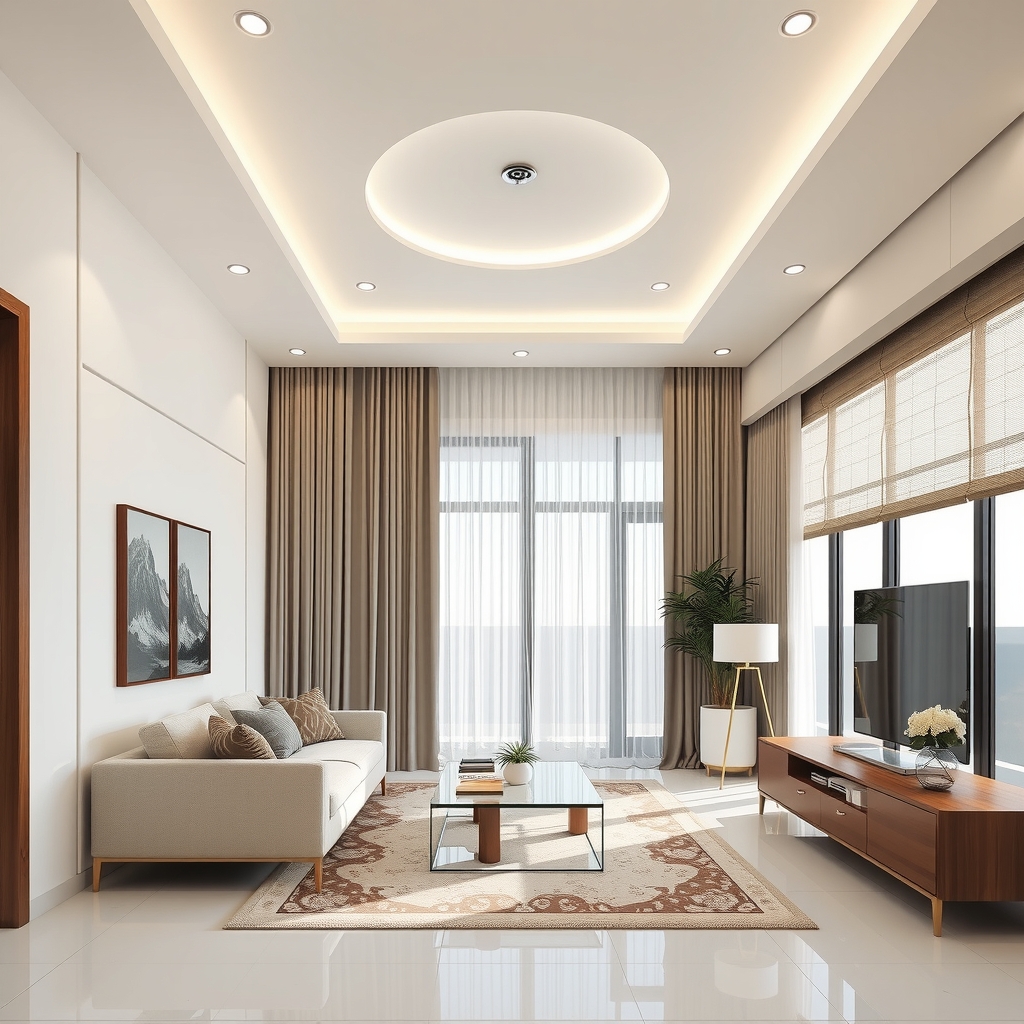
Quick answer: Gypsum partitions in modern Qatari homes offer creative and functional space division that goes beyond simple walls, incorporating decorative elements, acoustic and fire performance, and integration with lighting designs. They adapt well to Qatar’s indoor climate and facilitate stylish, flexible interiors in villas and apartments across Doha, Lusail, and surrounding areas. Professional services like Home Decor Qatar provide tailored solutions with competitive pricing from 40 QAR per square metre. Gypsum partitions create versatile interior divisions with aesthetic flexibility. They improve sound insulation and fire safety, important in modern Qatari homes. Customization includes integrated LED lighting, decorative panels, and finishes. Costs vary with design, size, and materials; free onsite estimates clarify budgets. Installation takes under a week for typical residential projects, by expert teams. What are gypsum partitions and how are they used in Qatar’s home interiors? Gypsum partitions are lightweight, drywall panels made from gypsum plaster pressed between two thick sheets of paper, used primarily to divide interior spaces in homes, villas, or offices. Their role in Qatar’s home interiors is to create flexible and stylish separations without the bulk of brick walls, allowing quick installation and the integration of features like soundproofing and fire resistance. They serve to define rooms like living areas or bedrooms and can be combined with decorative finishes, wallpaper, or painting to enhance design. In Qatari homes across Doha, Al Sadd, and Lusail, gypsum partitions provide a clean, modern look that complements other interior services such as SPC flooring and curtains, offering a cohesive design language. For more detailed inspiration on interior ideas, visit the comprehensive Interior Design in Qatar guide. For pricing details related to these interior concepts, see this detailed pricing breakdown. How does gypsum partition design contribute to functionality beyond basic walls? Gypsum partition design in Qatar incorporates features like acoustic panels to minimize noise transmission, crucial for multi-room villas or apartments in Dubai Industrial Area and The Pearl. Fire-resistant gypsum boards enhance safety in kitchens or utility rooms. The partitions can include cutouts or niches for decorative shelving, as well as integrated LED cove lighting, transforming plain dividers into focal design elements. Functionality extends to housing electrical wiring or air conditioning ducts discreetly within the partition walls, offering clean lines and avoiding clutter, especially important in smaller homes in Al Rayyan or tight urban areas like Najma. These design choices not only maximize space usage but also improve the overall living experience by combining aesthetics with utility. What design styles for gypsum partitions are trending in Qatari modern homes? Current trends in gypsum partition design in Qatar emphasize minimalist geometric forms, textured finishes, and combination with materials like glass or wood trims to create visually appealing but subtle room divisions. Wave patterns, perforated panels, and organic shapes feature in living room or lobby partitions in upscale villas in West Bay or Al Markhiya. These styles enhance light diffusion and spatial flow, which is valuable in smaller apartments in Al Wakrah or Mansoura. For example, gypsum partitions with backlit panels add ambiance and highlight architectural details. Homeowners also increasingly request custom paint finishes or wallpaper applications following partition installation to personalize their interiors further. Which rooms benefit most from gypsum partition installation in Qatar? Bedrooms, living rooms, home offices, and kitchen areas benefit significantly from gypsum partitions in Qatari homes. Bedrooms gain privacy without permanent heavy walls, while living rooms in villas in Lusail or The Pearl can use partitions to demarcate lounge from dining spaces elegantly. Explore tailored solutions for villas in Lusail through Lusail home decor services. Home offices, especially as remote work grows in Doha Industrial Area or Al Thumama, use gypsum partitions for acoustic separation conducive to productivity. Kitchen partitions often incorporate fire-resistant gypsum boards for safety, and the lightweight nature allows modifications as family needs evolve. Combining partitions with painting or wallpaper uplifts the interior coordination. Remote work designs can be enhanced by professionals at Pearl home decor experts. How much do gypsum partition projects typically cost in Qatar? Gypsum partition costs depend on the area covered, design complexity, finishing options, and site conditions. For basic 60×60 gypsum board ceilings with fixing, prices start from 40 QAR per square metre, while elaborate partitions with decorative panels, LED integration, and soundproofing can increase the cost accordingly. Additional factors affecting cost include the need for painting or wallpaper after installation. Homeowners in areas like Al Sadd or Al Gharrafa should request detailed quotations from specialists such as Home Decor Qatar, who provide a free site visit to evaluate precise requirements and final costs. This approach avoids surprises and ensures the design meets expectations. For accurate quotes and site evaluations, consult specialists from trusted interior company in Al Sadd. What are the installation steps for gypsum partitions in residential projects? Installation of gypsum partitions by professionals like Home Decor Qatar includes site assessment, measurement, frame construction using metal studs, gypsum board fixing, joint taping, sanding, finishing with paint or wallpaper, and final cleaning. The process usually spans 3 to 7 days depending on partition complexity and home size. Stages such as sanding and painting require drying time suited to Qatar’s climate, where humidity can affect curing speed. Good ventilation and timing installations during less humid periods improve results. Skilled installers ensure concealed wiring or duct passages are planned early, reducing post-installation modifications and ensuring a seamless finish. How to choose between different gypsum board types for partitions in Qatar? Several gypsum board types serve partitions in Qatari homes: standard drywall for general rooms, moisture-resistant boards for kitchens and bathrooms, and fire-rated boards for enhanced safety near cooking or electrical areas. Each type affects cost and durability. For example, moisture-resistant gypsum board is essential in humid rooms like bathrooms in Al Wakrah villas to prevent deterioration. Fire-rated gypsum partitions are mandatory in utility areas as per Qatari safety standards. Deciding which board to use depends on the room function and local building regulations. The expert Home Decor Qatar team advises on the best material for your home’s specific

Tiles Fixing Al Saad: Expert Installation and Repair Services for Your Home or Office
Quick answer: Tiles fixing in Al Saad involves expert installation or repair of floor and wall tiles including porcelain, ceramic, and SPC flooring. The process requires precise surface preparation, proper adhesive use, and finishing to ensure durability and a polished look for homes, villas, apartments, or offices. Home Decor Qatar offers tailored tile fixing services in Al Saad with free site visits to evaluate your project and provide exact costs. Tiles fixing cost depends on job size, tile type, and surface condition. Porcelain, ceramic, and SPC flooring are top tile choices for Al Saad properties. Professional installation ensures lasting adhesion, precise leveling, and quality grout finish. Tile repair and replacement are available for damaged sections without full rework. Home Decor Qatar provides expert tile fixing combined with interior décor and flooring services. What is included in professional tiles fixing services in Al Saad? Professional tiles fixing in Al Saad encompasses surface preparation, tile selection, cutting, precise placement, grouting, sealing, and cleanup for floor and wall tiles. Experts assess your site conditions like subfloor flatness and moisture before installation, ensuring durable adhesion and aesthetic finish. Services often include repair or partial replacement of existing tiles, using industry-standard tools such as tile cutters and spacers to maintain even joints. Home Decor Qatar integrates tile fixing with other interior services like gypsum ceilings, painting, and curtains, offering comprehensive home improvement solutions. Proper fixing prevents common problems like tile cracking, uneven surfaces, and water infiltration. For complementary interior solutions, explore our Gypsum Partition Al Saad services for expert installation. Which tile types are best suited for Al Saad homes and offices? Porcelain tiles stand out for their hardness, water resistance, and minimal maintenance, making them perfect for high-traffic areas and kitchens in Al Saad. Ceramic tiles offer versatile designs and colors, ideal for living rooms and bathrooms. SPC flooring, a rigid core waterproof option, suits spaces exposed to moisture like balconies or laundry areas. For outdoor patios in Al Saad, durable slip-resistant tiles provide safety and style. The choice depends on room usage, climate impact, and personal taste. For example, combining porcelain tiles in the kitchen with SPC flooring in wet zones optimizes durability and aesthetics. Home Decor Qatar can advise on the best tile materials for your property’s needs. Explore comprehensive tips on choosing, installing, and costing ceramic tiles in our Ceramic Tiles Doha guide. How does the cost of tiles fixing in Al Saad typically vary? Tiles fixing cost in Al Saad varies based on tile material, installation complexity, surface preparation, and total area to cover. From Home Decor Qatar’s standard pricing, gypsum board ceiling fixing starts at 40 QAR per square metre, SPC flooring with installation from 130 QAR per square metre, and wallpaper from 30 QAR. Tile fixing pricing depends similarly: simple ceramic tiles on a flat surface cost less than complex porcelain with custom layouts or floor leveling. Additional costs arise from removing old tiles, fixing irregular surfaces, or adding waterproof membranes. Homeowners should request a free site visit for accurate pricing tailored to their space and tile choices. What are the main steps involved in tiles fixing? The process starts with checking and preparing the surface, which may include cleaning, leveling with cement or a moisture barrier, and priming for better adhesion. Next, the tiles are laid out dry to plan the design and cuts. Installation follows using appropriate adhesives for the tile type and intended space. After setting, professionals apply grout to fill joints evenly, allowing proper drying time to avoid water damage. Finally, sealing protects grout lines and enhances tile longevity. The entire process, from prep to finish, ensures durability, safety, and an attractive look. Home Decor Qatar’s team follows these steps for all Al Saad projects, offering standards-compliant work. For those planning small tile projects, a step-by-step DIY guide for small floor tile installation projects in Al Sadd offers helpful tips and detailed instructions. What common mistakes occur in tiles fixing and how to avoid them? Common mistakes include using wrong adhesives, insufficient surface prep, poor tile alignment, uneven grout application, and neglecting expansion joints. These cause tile loosening, cracks, water seepage, and uneven floors. Avoid these by choosing experienced tile contractors like Home Decor Qatar to ensure professional surface assessment, proper fixing materials, and precise installation techniques. Regular site inspection during fixing prevents errors. Also, selecting tile size and type suitable for the space (e.g., large format tiles in spacious rooms) avoids future maintenance issues. Proper curing time after installation is crucial before heavy use. Avoid rushed DIY fixes to ensure lasting results. How to decide between tile replacement or repair in Al Saad properties? Choosing repair or replacement depends on tile damage extent, matching availability, and budget. For isolated cracks or chips, professional tile repair and grout restoration can refresh surfaces without full reinstallation. If multiple tiles are damaged or designs are outdated, replacement improves look and function. Matching original tiles may be difficult on older projects, favoring replacement with new styles. For wet areas, any tile damage risks moisture problems, so immediate repair or replacement is advised. Home Decor Qatar can inspect your tiles in Al Saad and recommend whether repair or full refixing best suits your condition and goals. What specific challenges affect tile fixing projects in Al Saad and how to plan for them? Al Saad’s climate and building types impact tile fixing choices. High humidity and temperature fluctuations require moisture barriers and tiles with low water absorption like porcelain or SPC flooring to avoid warping or mold. Villas with uneven concrete slabs need floor leveling before tile laying. Multi-room projects demand tile layout planning to harmonize designs, joints, and transitions. For example, Al Saad’s common modern villas sometimes feature open-plan layouts requiring large format tiles with minimal grout lines for seamless visual flow. Budget impacts choice of tile type and extent of surface prep. Planning ahead, with expert consultation from teams like Home Decor Qatar, minimizes surprises and avoids costly rework. How long does tile fixing usually take

Curtains Al Saad: Expert Guide to Custom Styles, Installation & Costs 2026
Quick answer: Curtains in Al Saad offer customized styles, materials, and professional installation tailored to your home, villa, apartment, or office needs. Local providers like Home Decor Qatar provide free consultation and site visits, helping you choose between blackout, sheer, or motorized curtains suited for your space and climate. Costs start from 60 QAR per metre but depend on fabric, size, and installation complexity. Custom curtains in Al Saad accommodate all room types and design requirements. Material choice affects cost, light control, and energy efficiency. Professional installation ensures precise fitting and longevity. Thermal curtains can reduce cooling costs in Qatar’s hot climate. Home Decor Qatar offers free site visits and expert advice in Al Saad and Doha. What types of curtains are available in Al Saad and which fit your needs? In Al Saad, the main curtain types include blackout, sheer, wave, eyelet, and motorized styles, each supporting different needs and room functions. Explore diverse curtain options across Qatar to find styles that suit functional and aesthetic needs Curtains in Qatar. Blackout curtains fully block sunlight, ideal for bedrooms, home cinemas, or offices requiring privacy and darkness. Sheer curtains diffuse sunlight softly, suitable for living and dining areas where natural brightness is desired without harsh glare. Wave and eyelet curtains focus on aesthetic draping styles, adding a modern or classic look respectively. Motorized curtains, controlled electronically, offer convenience for large windows or busy workspaces. Choosing the right curtain depends on your room’s lighting needs, privacy, and ease of use. For a living room, a combination of sheer with blackout layers provides both light control and ambiance. Offices or villas often benefit from motorized curtains for smooth operation of large windows or high ceilings. Curtains’ fabric choices such as polyester blends or thermal materials influence durability and insulation, helpful in Qatar’s hot climate. Explore detailed curtain styles, fabric options, and professional fitting advice in our curtain design expert guide for Doha. Find expert advice for curtain styles, installation, and matching other interior elements at Home Decor Qatar’s curtains page. How much do curtains cost in Al Saad and what affects the price? Curtain prices in Al Saad vary widely based on material, size, design complexity, and installation requirements. Basic curtains start from 60 QAR per square metre including standard installation. Premium fabrics like thermal or motorized systems increase costs because of more advanced mechanisms and heavier cloth. Large or irregular windows may need custom measuring and additional fittings, which can add to the price. Adding accessories like decorative rods, valances, or blackout linings also raises cost. The cost-effectiveness depends on your priorities: Basic polyester curtains suit rental apartments, while high-end blackout or motorized curtains suit luxury villas or offices. Multiple layers or mixed materials improve light and heat control but increase initial investment. For detailed pricing tailored to your project size and curtain preferences, request a free site visit from Home Decor Qatar. How does the climate in Al Saad influence curtain choice? Qatar’s hot and sunny climate means curtains in Al Saad must offer effective solar protection and heat insulation. Thermal curtains with insulating linings reduce solar heat gain, lowering air conditioning loads and saving energy costs. Blackout curtains also block UV rays and minimize room temperature spikes. In living areas where natural light is welcome, sheer curtains paired with thermal blinds or roller blinds provide flexibility. Since most homes and offices rely heavily on air conditioning, choosing curtain fabrics and linings designed for thermal efficiency is practical. Using curtains with triple-weave or thermal coatings is common to enhance energy savings year-round. Linking your curtain selection with a cooling solution like AC Service Qatar can optimize interior comfort and operating costs. What should you expect from professional curtain installation in Al Saad? Professional curtain installation in Al Saad involves accurate measuring, mounting hardware selection, and precise fitting to ensure curtains operate smoothly and look elegant. Installers evaluate window size, wall type, and ceiling height before suggesting rod or track systems. Installation duration varies from two hours for a small apartment window to a full day for multiple large windows or motorized systems. Professional services also handle drilling, wall fixing, and motorized curtain wiring if applicable. Expert installation extends curtain life by preventing sagging and ensuring smooth operation. Choosing a reliable team such as Home Decor Qatar guarantees on-time completion and technical support. For a walkthrough of installation steps and options in Al Saad, see the detailed Curtains Installation in Al Sadd page. What are common mistakes when buying curtains in Al Saad and how to avoid them? Choosing the wrong curtain size: Measure windows carefully or ask for a professional measurement to avoid curtains that are too short or sparse. Ignoring fabric suitability: Do not pick fabrics unsuited for Qatar’s climate; use thermal or blackout materials for heat and light control. Overlooking installation requirements: Some curtain types, like motorized systems, need specialized installation and wiring. Skipping consultation: Avoid DIY purchases without consulting experts who know local conditions and styles. Neglecting maintenance: Heavy or delicate fabrics may require specific cleaning methods to preserve appearance. Avoid these errors by working with experienced providers like Home Decor Qatar that offer full service from consultation to aftercare. How to decide between curtain materials and styles for different rooms in Al Saad Selecting curtain materials and styles depends on individual room function, light levels, and user habits more than just aesthetics. Bedrooms require blackout fabrics made of polyester blends or triple weave to guarantee darkness and privacy. Living rooms benefit from layered curtains: sheer fabrics allow natural light while providing daytime privacy, combined with heavier drapes for nighttime. Offices prioritize motorized curtains or roller blinds for user convenience and a modern look. The trade-off is typically between light control and air circulation. Thicker materials insulate better but reduce airflow and can feel heavier in humid weather. Sheer and lightweight fabrics enhance ventilation but do not block sunlight or heat effectively. If energy efficiency matters, prioritize thermal curtains with insulating linings, even at higher upfront