Premium Gypsum Board Solutions for Modern Interior Design & Construction
Gypsum board is one of the most widely used construction materials for modern interior design and building projects. It offers a practical, cost-effective, and aesthetically pleasing solution for creating walls, ceilings, partitions, and decorative features. Whether for residential homes, offices, commercial buildings, or industrial spaces, gypsum board provides excellent performance, durability, and flexibility.
With the growing demand for contemporary interiors, gypsum board has become a preferred choice among architects, contractors, and property owners. Its lightweight structure, smooth finish, and easy installation make it suitable for a wide range of applications.
What is Gypsum Board?
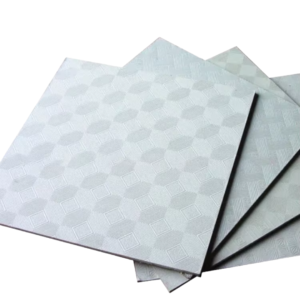
Gypsum board, also known as drywall, plasterboard, or gypsum panel, is a construction material made from a gypsum core covered with durable paper layers on both sides. It is designed to create smooth and seamless interior surfaces while offering excellent fire resistance and sound insulation properties.
Gypsum boards are available in various thicknesses and specifications to meet different construction and design requirements. Specialized options include moisture-resistant boards, fire-resistant boards, and acoustic gypsum boards.
Benefits of Gypsum Board
1. Quick Installation
One of the biggest advantages of gypsum board is its fast installation process. Compared to traditional plastering methods, gypsum boards can be installed quickly, reducing labor costs and project completion time.
2. Smooth Surface Finish
Gypsum boards provide a perfectly smooth surface that is ready for painting, wallpaper installation, or decorative finishes. This creates a clean and professional appearance in any interior space.
3. Fire Resistance
Gypsum naturally contains water molecules that help slow the spread of fire. Fire-rated gypsum boards provide additional protection, making them suitable for commercial and residential buildings.
4. Sound Insulation
Gypsum board systems can significantly reduce noise transmission between rooms. This makes them an excellent choice for offices, hotels, schools, hospitals, and residential properties.
5. Lightweight Construction
The lightweight nature of gypsum board reduces the overall structural load on buildings while making transportation and installation easier.
6. Cost-Effective Solution
Gypsum board is an affordable construction material that offers long-term value through reduced maintenance costs and efficient installation.
Applications of Gypsum Board
Gypsum board is used in a wide variety of interior construction and decoration projects, including:
False Ceilings
Modern gypsum ceilings create elegant and stylish interiors. Designers often use gypsum boards to build decorative ceiling patterns, lighting features, and suspended ceilings.
Partition Walls
Gypsum boards are commonly used for creating internal partition walls in offices, homes, and commercial buildings. These partitions are easy to install and modify when required.
Wall Cladding
Gypsum boards can cover uneven surfaces and provide a smooth, attractive wall finish suitable for painting and decorating.
Commercial Interiors
Retail stores, offices, hotels, restaurants, and healthcare facilities frequently use gypsum board systems due to their versatility and professional appearance.
Residential Projects
Homeowners choose gypsum board for bedrooms, living rooms, kitchens, and entertainment areas to achieve modern interior designs.
Types of Gypsum Board
Standard Gypsum Board
Designed for general interior wall and ceiling applications in dry areas.
Moisture-Resistant Gypsum Board
Ideal for bathrooms, kitchens, and other areas exposed to humidity and moisture.
Fire-Resistant Gypsum Board
Manufactured to provide enhanced fire protection in buildings where safety is a priority.
Acoustic Gypsum Board
Specially designed to improve sound insulation and reduce noise transmission.
Impact-Resistant Gypsum Board
Suitable for high-traffic areas where greater durability is required.
Gypsum Board Installation Process
A professional gypsum board installation typically involves the following steps:
- Site inspection and measurement.
- Framework installation using metal channels or framing systems.
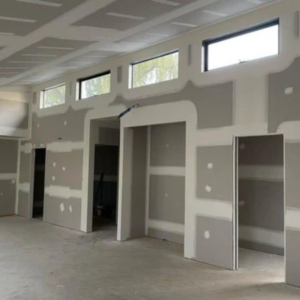
- Fixing gypsum boards to the framework.
- Joint treatment and taping.
- Surface finishing and sanding.
- Painting or decorative finishing.
Professional installation ensures durability, safety, and a flawless final appearance.
Why Choose Gypsum Board for Interior Design?
Gypsum board offers endless design possibilities while maintaining practicality and efficiency. It can be used to create modern ceilings, decorative wall features, recessed lighting designs, and custom architectural elements. Its flexibility allows designers to achieve both simple and sophisticated interior concepts.
In addition, gypsum board contributes to energy efficiency by improving thermal insulation and creating a more comfortable indoor environment.
Maintenance and Care
Maintaining gypsum board surfaces is simple. Regular cleaning and occasional repainting help preserve their appearance. Damaged sections can often be repaired without replacing the entire wall or ceiling system, making gypsum board a convenient long-term solution.
Conclusion
Gypsum board is an essential material in modern construction and interior decoration. Its lightweight structure, fire resistance, sound insulation, smooth finish, and cost-effectiveness make it a preferred choice for residential and commercial projects. Whether you are planning a home renovation, office fit-out, or large-scale construction project, gypsum board provides a durable, attractive, and efficient solution that meets the demands of contemporary interior design.
Showing all 2 results